
Quand
Où
Média
Billets
En présence de
co-présenté par

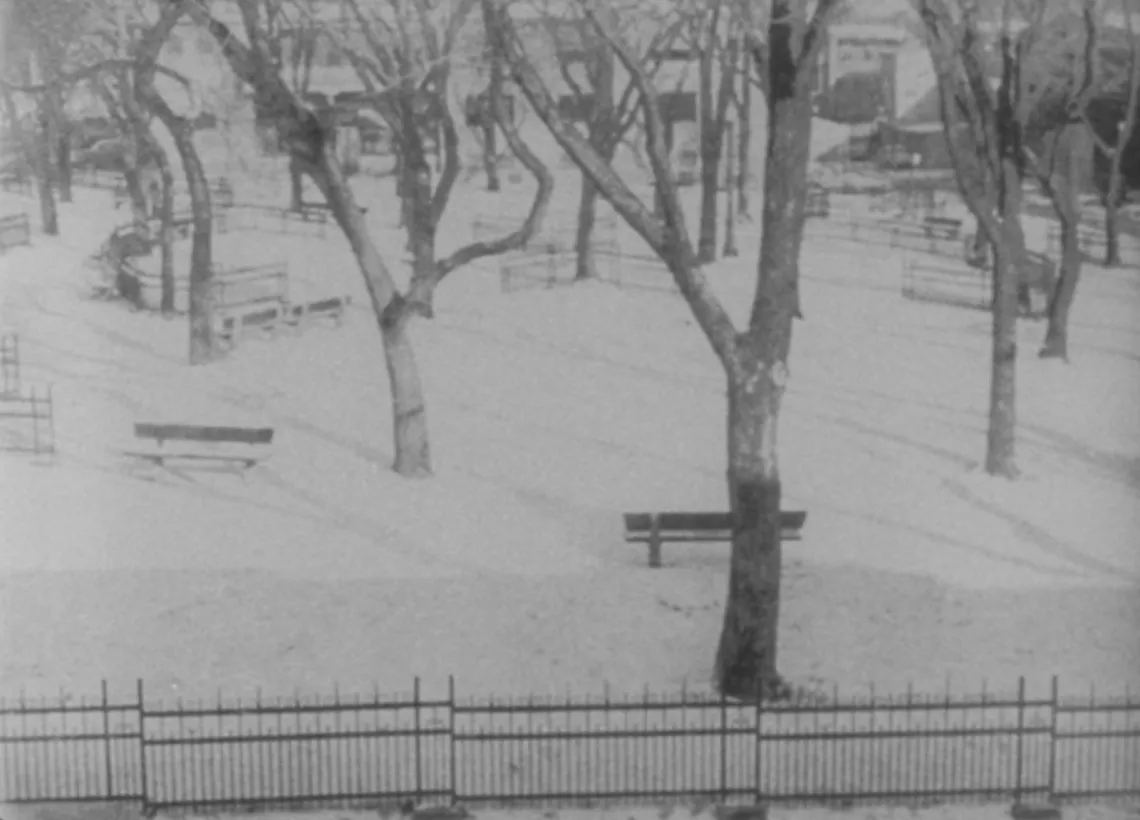
Orbiter Slates est un programme cinématographique développé en conjonction avec Satellites!, une exposition de Emporium Builders Supplies qui a eu lieu du 20 février au 14 mars. L’exposition présente une photo d’archive de Michael Snow en relation avec le travail de deux artistes contemporains dans un espace hors-site. En l’honneur de l’œuvre de Michael Snow, le programme s’étends sous la forme d’une projection d’une sélection de ses films en 16mm ainsi qu’une discussion en compagnie de André Habib, professeur et historien de l’art et du cinéma, de l’écrivain et cinéaste expérimental Clint Enns, ainsi que la chercheuse Léa Jusseau.
Orbiter Slates is a film program developed in conjunction with Satellites!, an exhibition at Emporium Builders Supplies that ran from February 20 to March 14. The exhibition features an archival photograph by Michael Snow in relation to the work of two contemporary artists in an off-site space. In honor of Michael Snow’s work, the program includes a screening of a selection of his 16mm films, as well as a discussion featuring André Habib, professor and art & film historian, writer and experimental filmmaker Clint Enns, and researcher Léa Jusseau.
PROGRAMME
BIOGRAPHIES
Né en 1928 à Toronto (Ontario), musicien de jazz depuis le lycée, Michael Snow a étudié la peinture et la sculpture à l’Ontario College of Art de Toronto de 1948 à 1952. Il a fait ses débuts au cinéma dans le domaine de l’animation. En 1956, Snow a signé son premier film d’animation, A to Z. Tout en travaillant comme peintre, sculpteur et photographe entre New York et Toronto de 1964 à 1971, il a réalisé des films minimalistes qui allaient marquer l’histoire du cinéma expérimental. En 1967, Michael Snow remporte le Grand Prix du quatrième Festival international du film expérimental de Knokke-le-Zoute pour le film Wavelength : un zoom continu de 40 minutes dans un studio, accompagné d’un son sinusoïdal aigu en crescendo. Cette souveraineté du mouvement de la caméra ainsi que sa progression inexorable feront également l’objet de Standard Time (1967) et Back and Forth (1969), qui explorent la photographie panoramique. La Région Centrale (1970-1971) porte ce postulat à son apogée dans une longue exploration d’un espace désolé au Canada par une caméra fixée à un bras mobile programmé par ordinateur. Dans tous ses films, Snow met l’accent sur la capacité du médium à éveiller chez le spectateur la conscience de la spécificité de ses sens et des stimuli qu’ils reçoivent. To Lavoisier, who died in the reign of terror, réalisé en 1993, utilise le procédé photochimique de la photographie. Il développe son activité en intégrant des techniques vidéo dans ses films et crée également des installations
Emporium Builders Supplies est un programme présentant des projets in situ dans des lieux d’exposition hors-sites. Le programme est principalement concerné par des enjeux spécifiques au contexte et aux relations sociales autour de la création artistique, ainsi qu’aux formes de diffusions alternatives en art contemporain.
Joss D’Alton est un artiste et commissaire indépendant qui vit et travaille à Montréal. Depuis 2025, il organise des expositions sous le nom Emporium Builders Supplies, mettant de l’avant des pratiques artistiques contemporaines.
Léa Jusseau est postdoctorante au CRIalt (Université de Montréal) et boursière du FNS (Fonds National Suisse). Ses travaux ont été publiés dans La Nouvelle Revue d’Esthétique, Critique d’Art, Appareil et Plastik.
Clint Enns est un artiste visuel, écrivain et commissaire habitant à Tiohtià:ke / Montréal.
André Habib est professeur titulaire au Département d’histoire de l’art, de cinéma et des médias audiovisuels l’Université de Montréal. Il est directeur adjoint du CRIalt depuis 2020. Il est l’auteur de La main gauche de Jean-Pierre Léaud (Boréal, 2015) ainsi que de L’attrait de la ruine (Yellow Now, 2011). Il a codirigé les ouvrages collectifs L’avenir de la mémoire: patrimoine, restauration, réemploi cinématographique (avec Michel Marie, Septentrion, 2012), Le cinéma dans l’œil du collectionneur (avec Louis Pelletier et Jean-Pierre Sirois Trahan, 2023), Collecting Cinema, Rewriting History : Between the Visible and the Invisible (avec Louis Pelletier et Jean-Pierre Sirois Trahan, Amsterdam Univ. Press, 2025). Il est directeur de la revue électronique Hors champ, l’initiateur de la plateforme de création et de réflexion audiovisuelles Zoom Out et du projet Cadavre exquis.
Madi Piller est une cinéaste, animatrice, programmeuse et commissaire d’exposition indépendante qui vit et travaille actuellement à Toronto, au Canada. Ses images abstraites, non figuratives et poétiques s’inspirent de ses expérimentations cinématographiques en Super 8, 16 mm et 35 mm, ainsi que de la photographie et de la vidéo. Son univers visuel est fortement influencé par diverses techniques et styles d’animation.
PROGRAMME
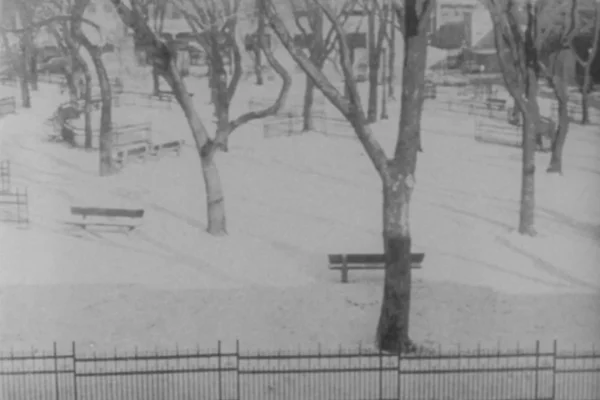
One Second in Montreal
Michael Snow | 1969 | 16mm | 18 min
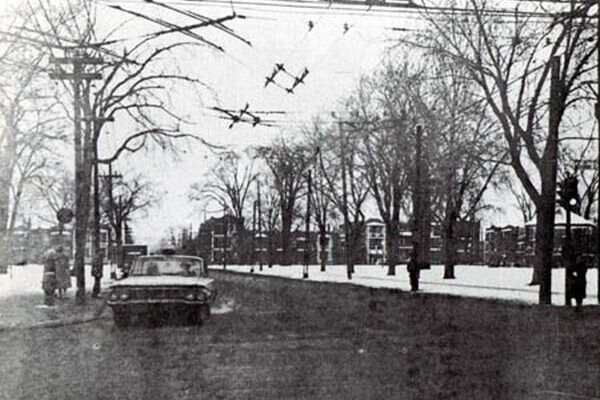
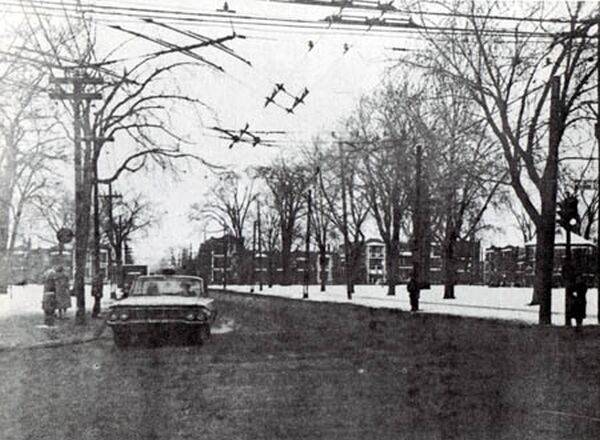
A collection of snow scenes, all still photographs of potential sites for a monument in Montreal (thus distinctly not ‘artistic’ photographs) follow, one another for 22 minutes.
Wavelength
Michael Snow | 1967 | 16mm | 45 min
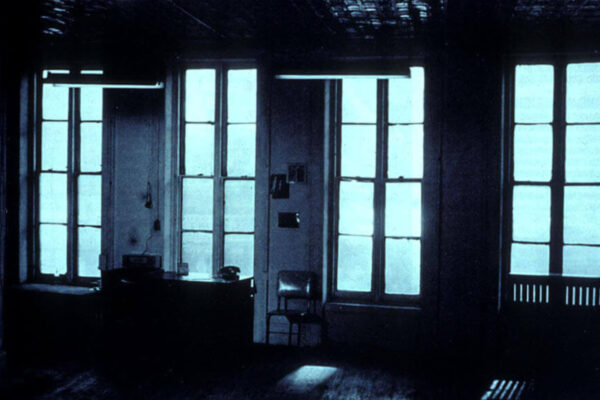
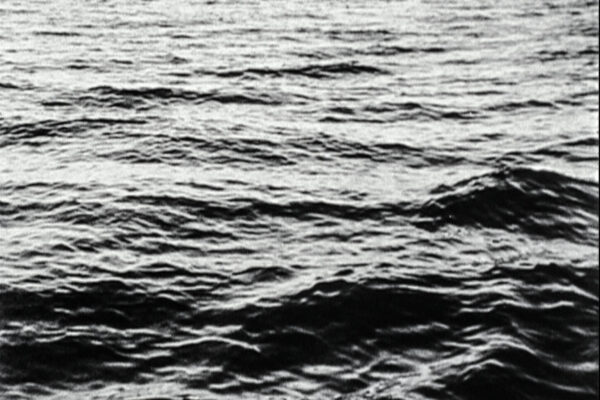
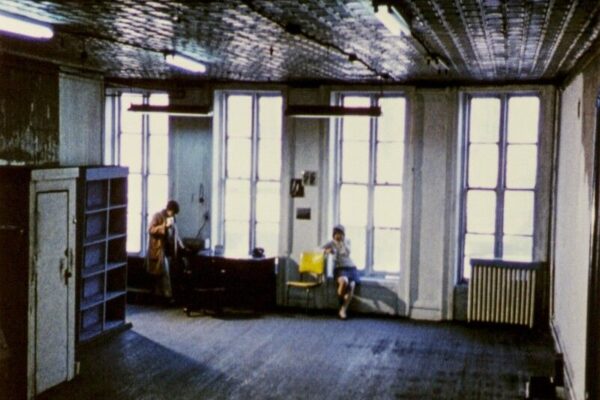
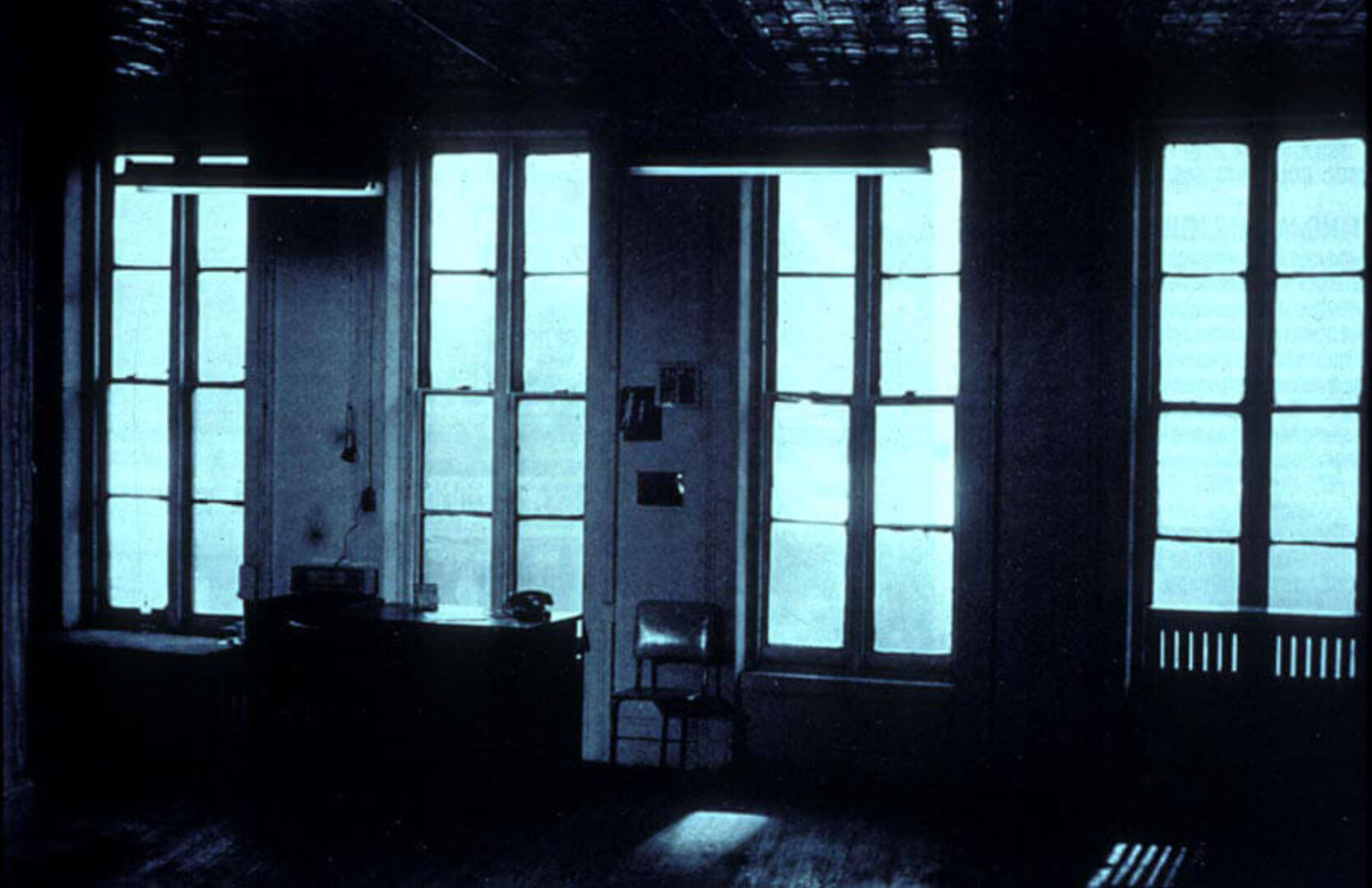
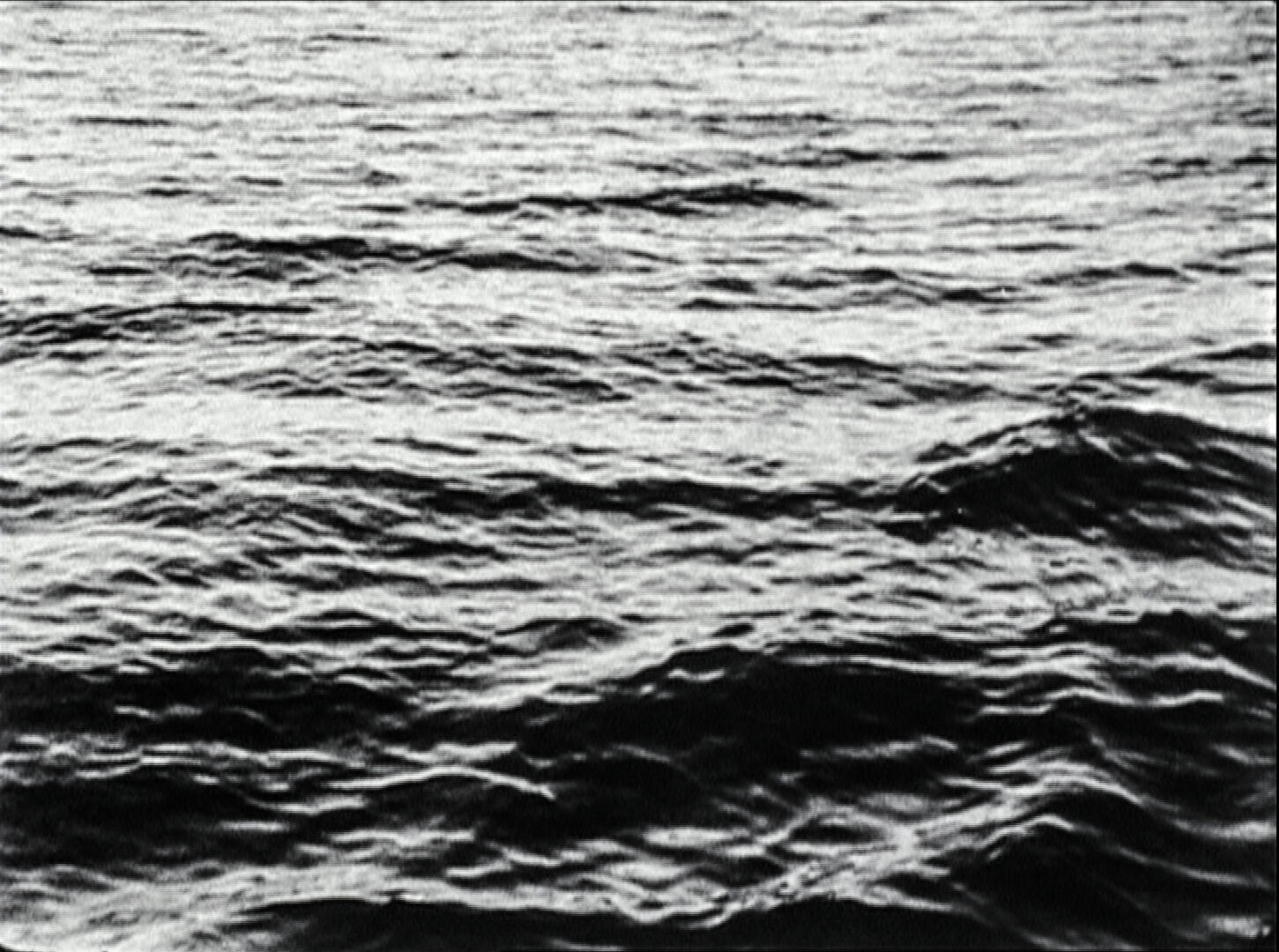
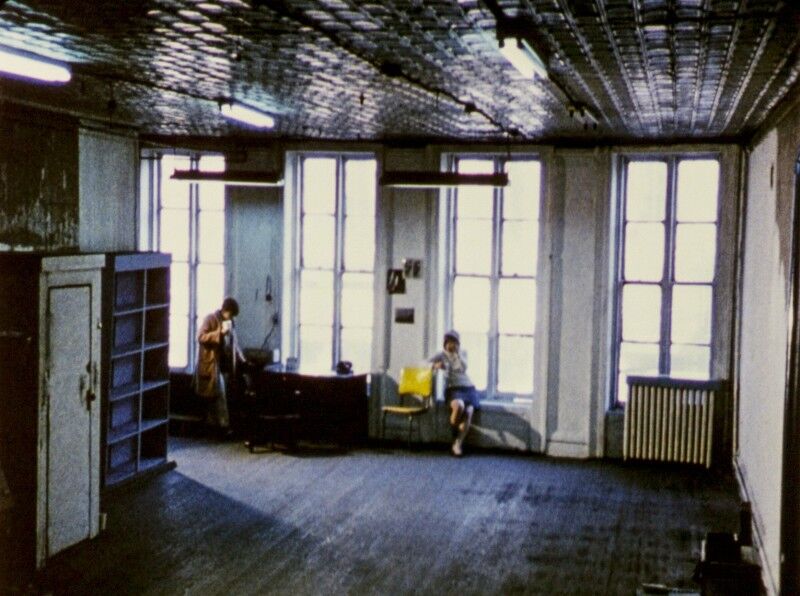
I wanted to make a summation of my nervous system, religious inklings, and aesthetic ideas. I was thinking of, planning for a time monument in which the beauty and sadness of equivalence would be celebrated, thinking of trying to make a definitive statement of pure Film space and time, a balancing of « illusion » and « fact, » all about seeing. The space starts at the camera’s (spectator’s) eye, is in the air, then is on the screen, then is within the screen (the mind). The film is a continuous zoom which takes 45 minutes to go from its widest field to its smallest and final field. It was shot with a fixed camera from one end of an 80 foot loft, shooting the other end, a row of windows and the street …. The room (and the zoom) are interrupted by four human events including a death. The sound on these occasions is sync sound, music and speech, occurring simultaneously with an electronic sound, a sine-wave …. It is a total glissando while the film is a crescendo and a dispersed spectrum which attempts to utilize the gifts of both prophecy and memory which only film and music have to offer. – Michael Snow
Animated Self-Portraits/Autoportraits animés (Excerpt)
Madi Piller & Michael Snow | 2012 | 35mm to digital
Can a movie also be a community? This labour of love brings together no less than eighty-four Canadian animators of all stripes – from Michael Snow to the maestros at the National Film Board. Each was asked to provide twelve drawings of themselves which Madi animated on a special 35mm rig. A joyous compendium of outsiders, of barely contained rage and good humour. Music by John Halfpenny.
The screening will be followed by a discussion with professor and art & film historian André Habib, writer and experimental filmmaker Clint Enns, and researcher Léa Jusseau.
BIOGRAPHIES
Born in 1928 in Toronto (Ontario), a jazz musician since high school, Michael Snow studied painting and sculpture at the Ontario College of Art in Toronto from 1948 to 1952. He made his debut in film through animation. In 1956, Snow signed his first animated film exhibition with A to Z. While working as a painter, sculptor and photographer between New York and Toronto from 1964 to 1971, he made minimalist films that would mark the history of experimental cinema. In 1967, Michael Snow won the Grand Prize at the fourth International Experimental Film Festival in Knokke-le-Zoute for the film Wavelength: a 40-minute continuous zoom in a studio coupled with a high sinusoidal sound in crescendo. This sovereignty of the camera’s movement as well as its inexorable progression will also be the subject of Standard Time (1967) and Back and Forth (1969), which work on panoramic photography. La Région Centrale (1970-1971) takes this postulate to its apogee in a long exploration of a desolate space in Canada by a camera attached to a computer-programmed mobile arm. In all his films, Snow focuses on a possibility of the medium to awaken the viewer’s awareness of the specificity of his senses and the stimuli they receive. To Lavoisier, who died in the reign of terror, made in 1993, uses the photochemical process of photography. He develops his activity by integrating video techniques into his films and also creates installations.
Emporium Builders Supplies is a program presenting site-specific projects in off-site exhibition spaces. The program focuses primarily on issues specific to the context and social relationships surrounding artistic creation, as well as alternative forms of diffusion in contemporary art.
Joss D’Alton is an independent artist and curator who lives and works in Montreal. Since 2025, he has been organizing exhibitions under the name Emporium Builders Supplies, showcasing contemporary artistic practices.
Léa Jusseau is a postdoctoral researcher at CRIalt (Université de Montréal) and a recipient of a grant from the Swiss National Science Foundation (SNSF). Her work has been published in La Nouvelle Revue d’Esthétique, Critique d’Art, Appareil, and Plastik.
Clint Enns is a visual artist, writer, and curator living in Tiohtià:ke / Montréal.
André Habib is a full professor of Film Studies at the Université de Montréal. He is the author of La main gauche de Jean-Pierre Léaud (Boréal, 2015), L’attrait de la ruine (Yellow Now, 2011) and has co-edited L’avenir de la mémoire: patrimoine, restauration, réemploi cinématographique (with Michel Marie, Septentrion, 2012), Le cinéma dans l’œil du collectionneur (with Louis Pelletier & Jean-Pierre Sirois Trahan, 2023) and Collecting Cinema, Rewriting History : Between the Visible and the Invisible (with Louis Pelletier & Jean-Pierre Sirois Trahan, Amsterdam Univ. Press, 2025). He is the director of the Web Journal Hors champ, the initiator of the online audiovisual essay platform Zoom Out et the project Cadavre exquis.
Madi Piller is a filmmaker, animator, programmer, and independent curator currently living and working in Toronto, Canada. Her abstract, non-representational, and poetic images are drawn from film explorations in Super 8, 16mm and 35mm, as well as photography and video. The resulting imagery is strongly influenced by diverse animation techniques and styles.