
Quand
Où
Média
En présence de
co-présenté par

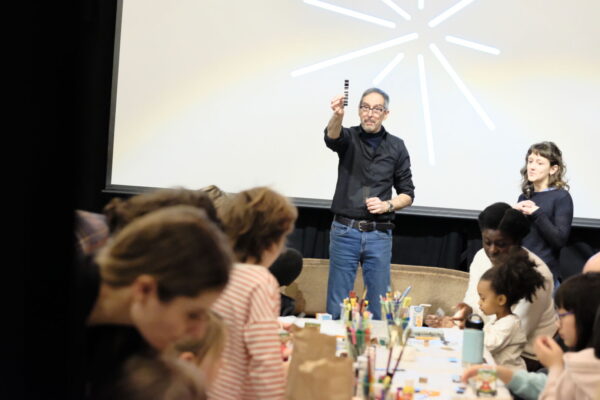
PREMIÈRE VUE consiste en une série de projections de cinéma expérimental destinée au jeune public, de 5 à 17 ans, proposée par la lumière collective. Les programmes mettent en lumière le cinéma expérimental, poétique, abstrait et fait à la main ; en particulier des œuvres qui relèvent d’un cinéma d’art par opposition à des œuvres produites expressément pour un jeune public.
PREMIÈRE VUE is a series of experimental cinema screenings aimed at young audiences aged 5 to 17, proposed by la lumière collective. The programs highlight experimental, poetic, abstract and hand-made cinema; in particular, works that fall under the heading of art cinema as opposed to works produced expressly for a young audience.
PROGRAMME
L’animation musicale est devenue un genre important dans l’univers du cinéma, mais contrairement à la fiction et au documentaire, les artistes utilisent le son musical en animation comme un langage à part entière, qu’ils façonnent selon leurs propres expériences. Au cours du dernier siècle, de nombreuses méthodes de création en animation se sont développées, permettant auex artistes d’exprimer différents thèmes, idées et ambiances. Parallèlement, de nombreux sons, acoustiques comme synthétiques, ont pris forme.
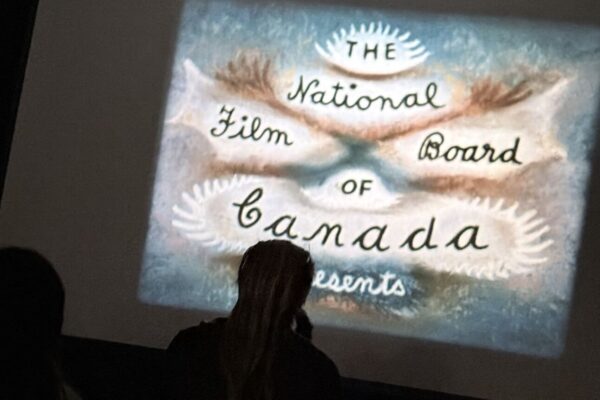
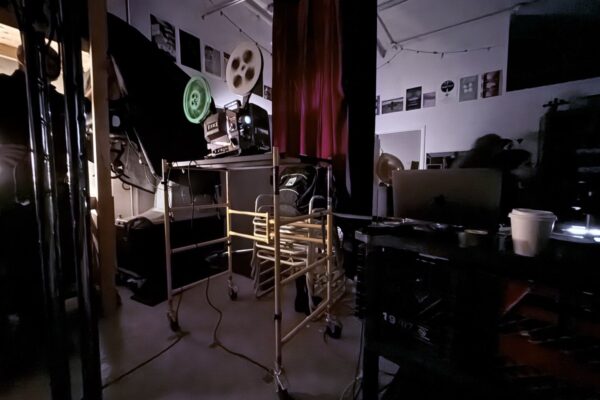
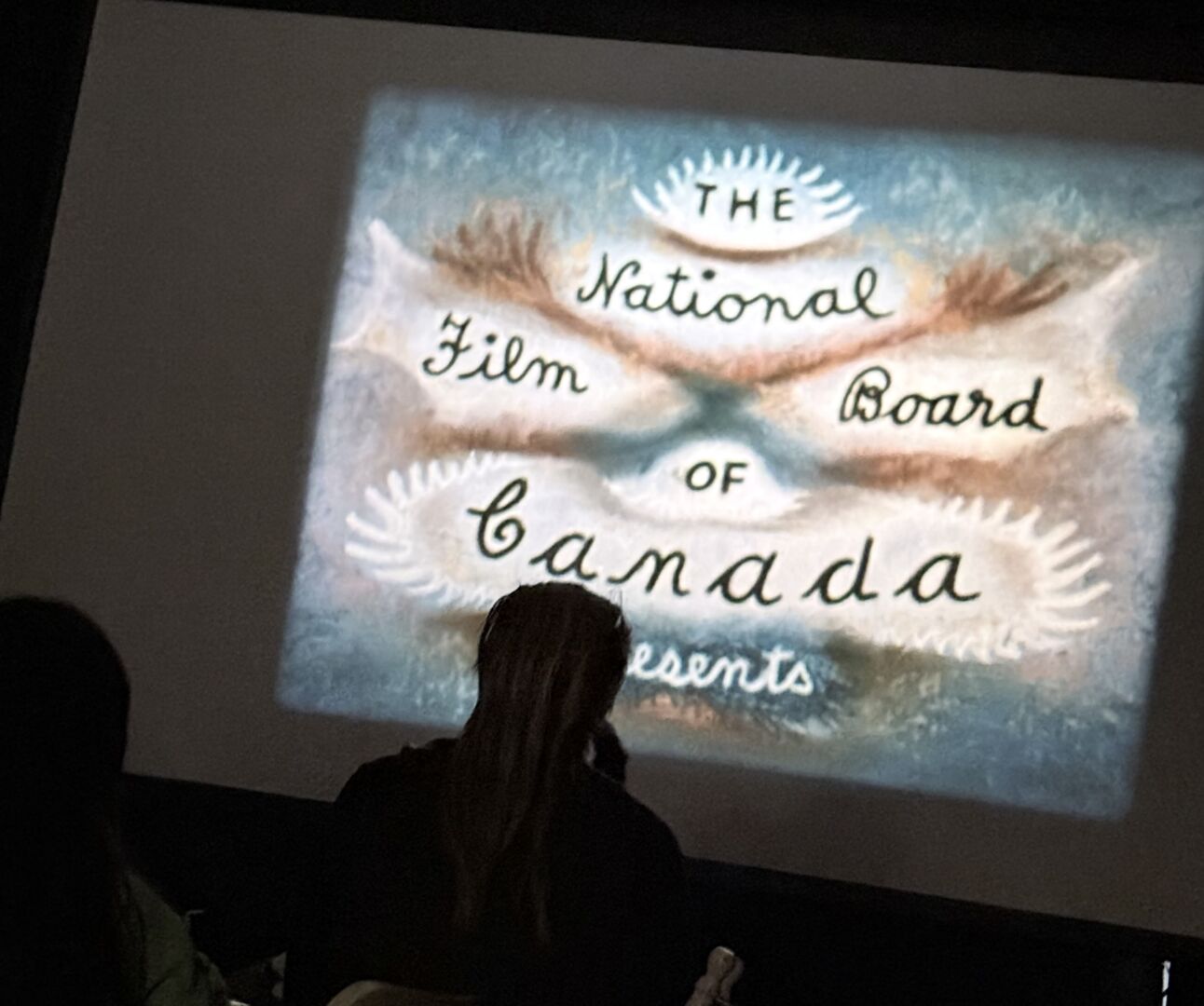
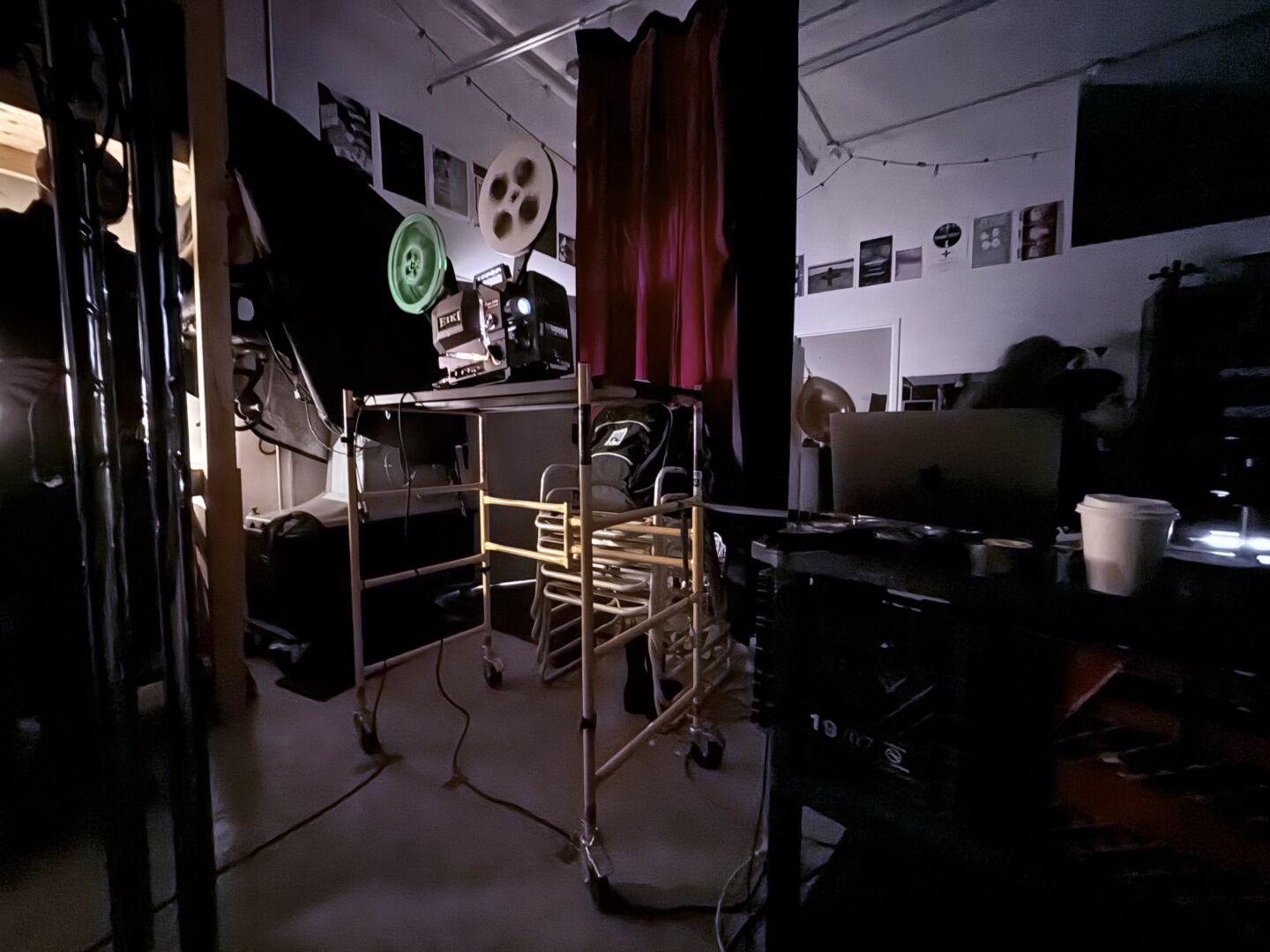
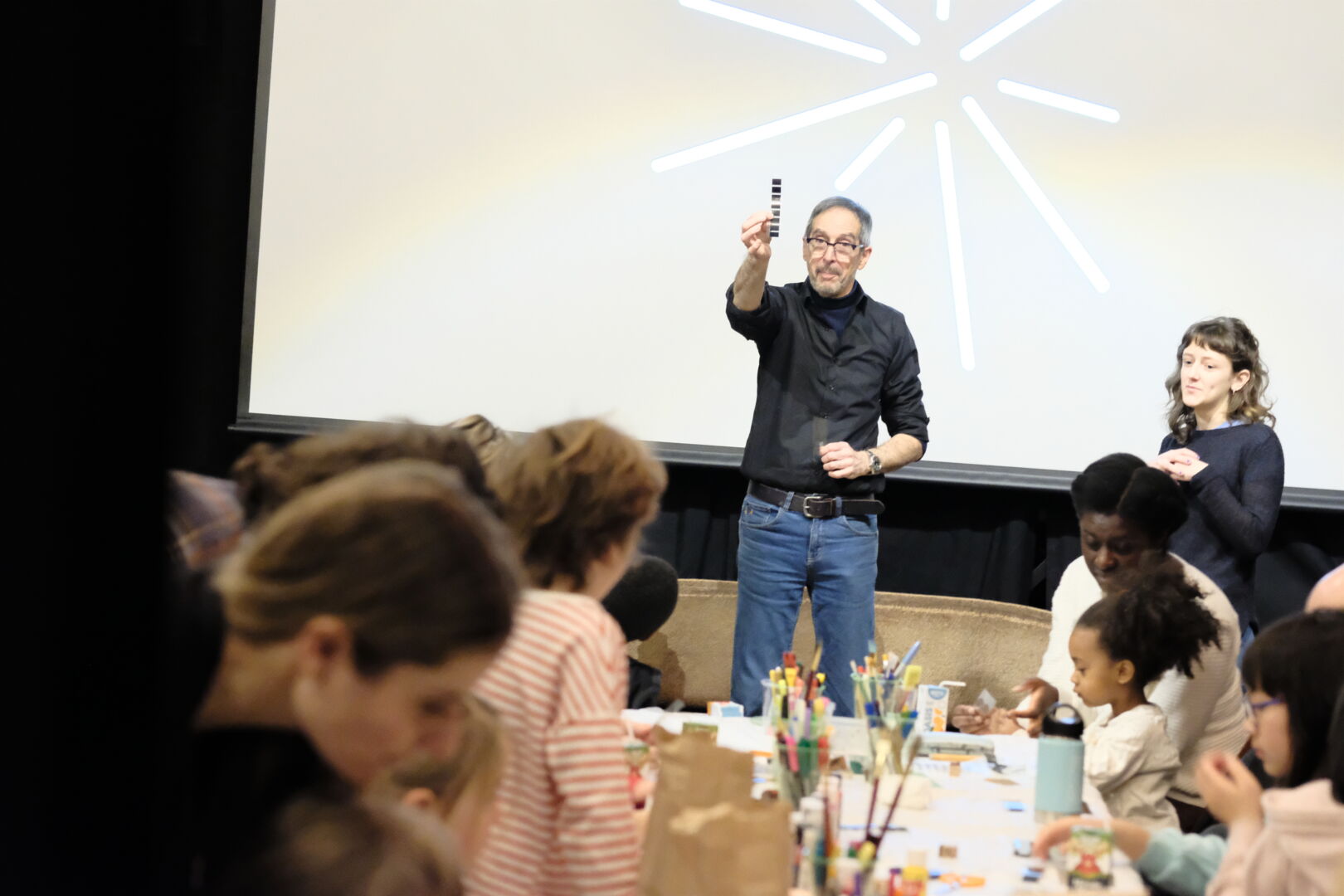
Dans le cadre de PREMIÈRE VUE, Steven Woloshen, cinéaste, écrivain et artiste, proposera une projection en 16 mm explorant les multiples types de bandes sonores musicales utilisées dans les styles d’animation traditionnels.
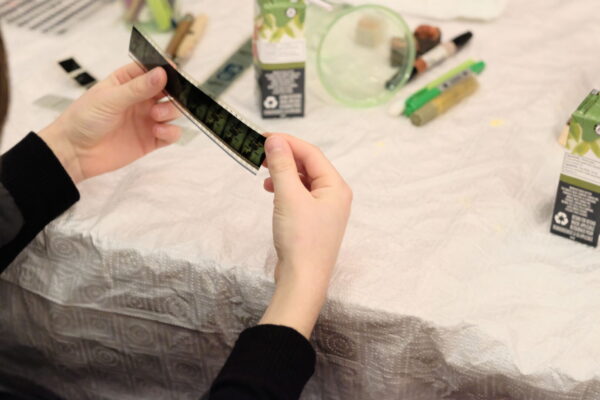
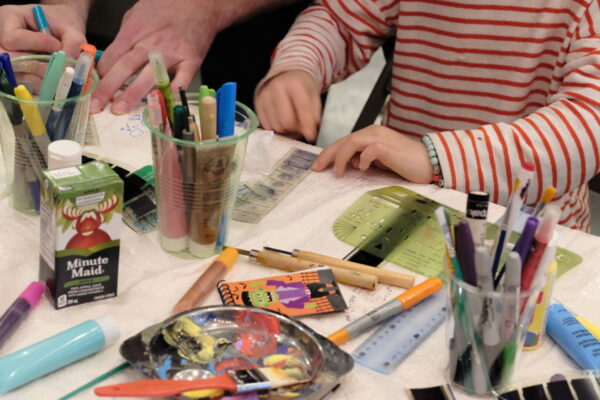
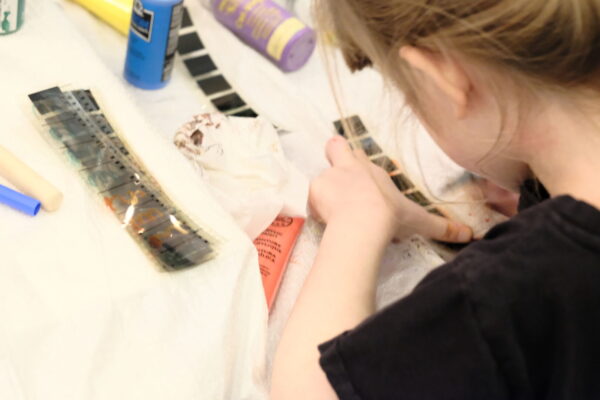
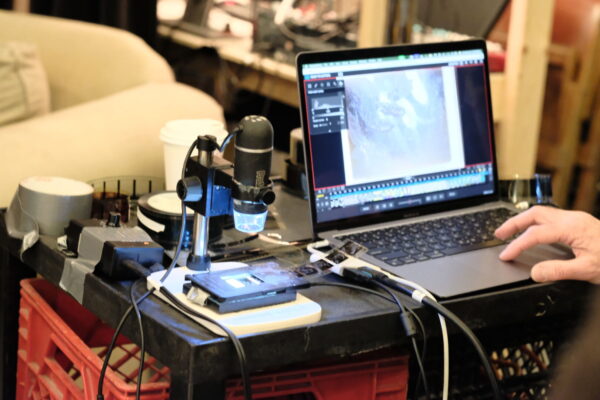
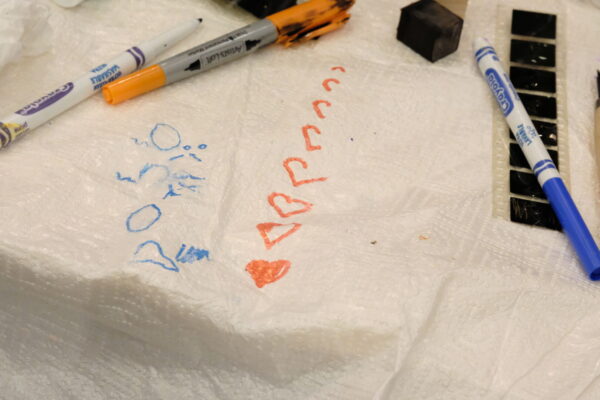
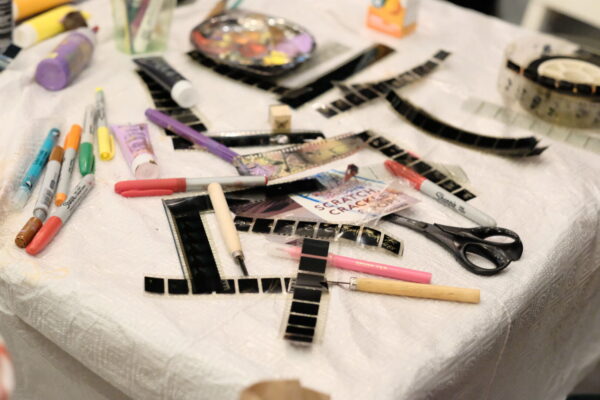
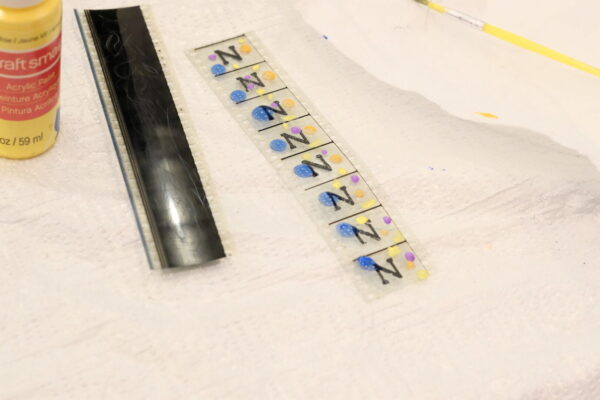
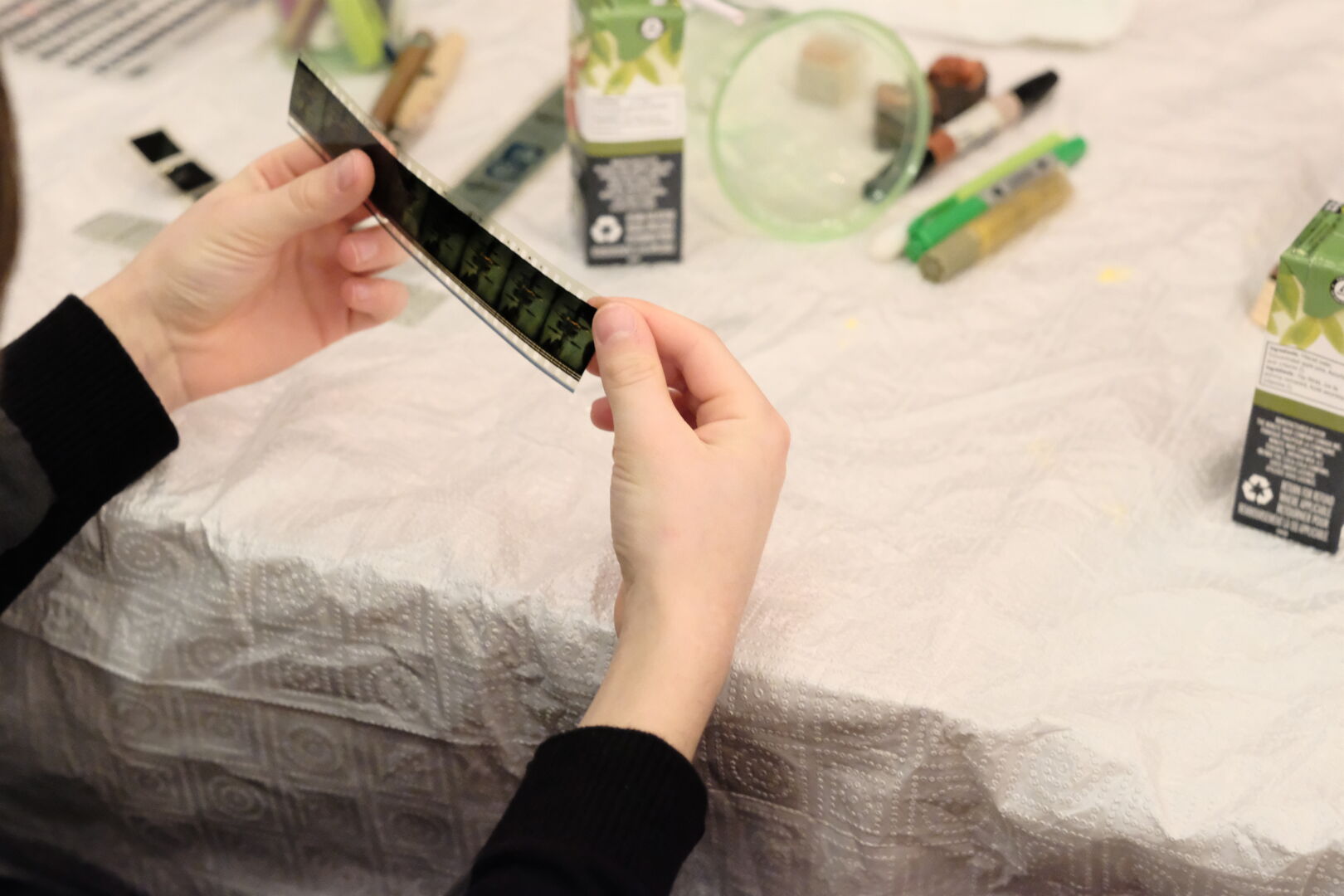
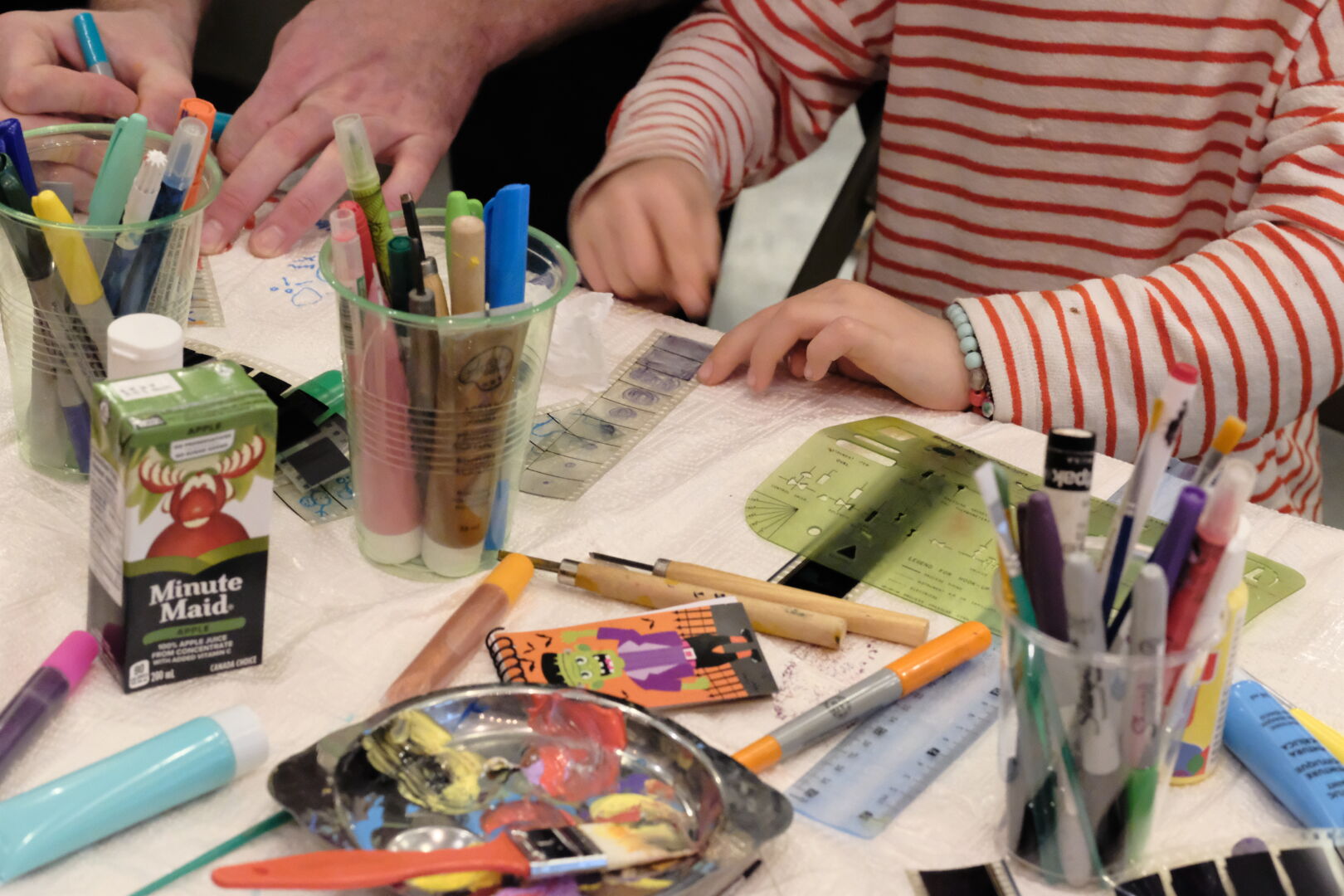
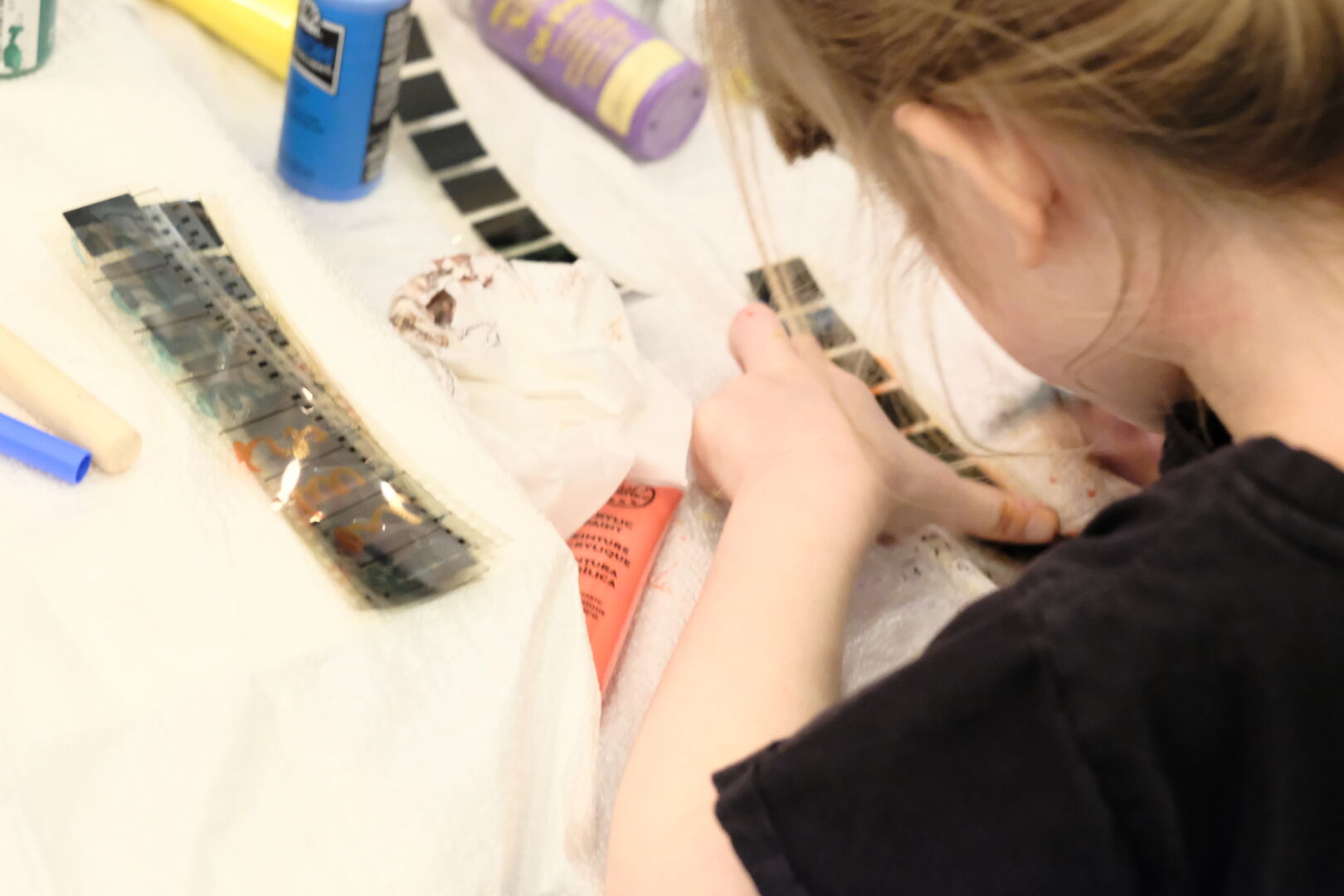
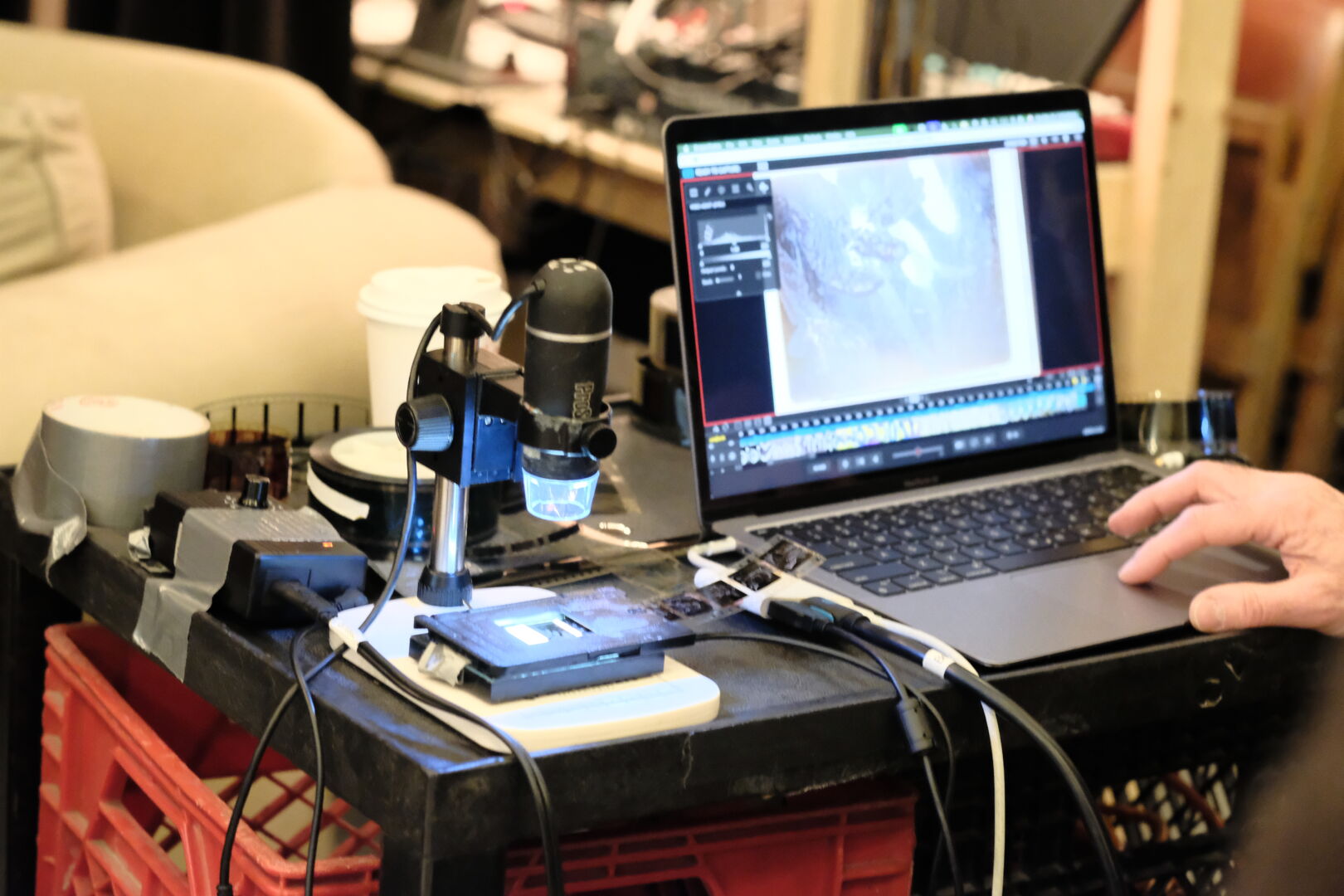
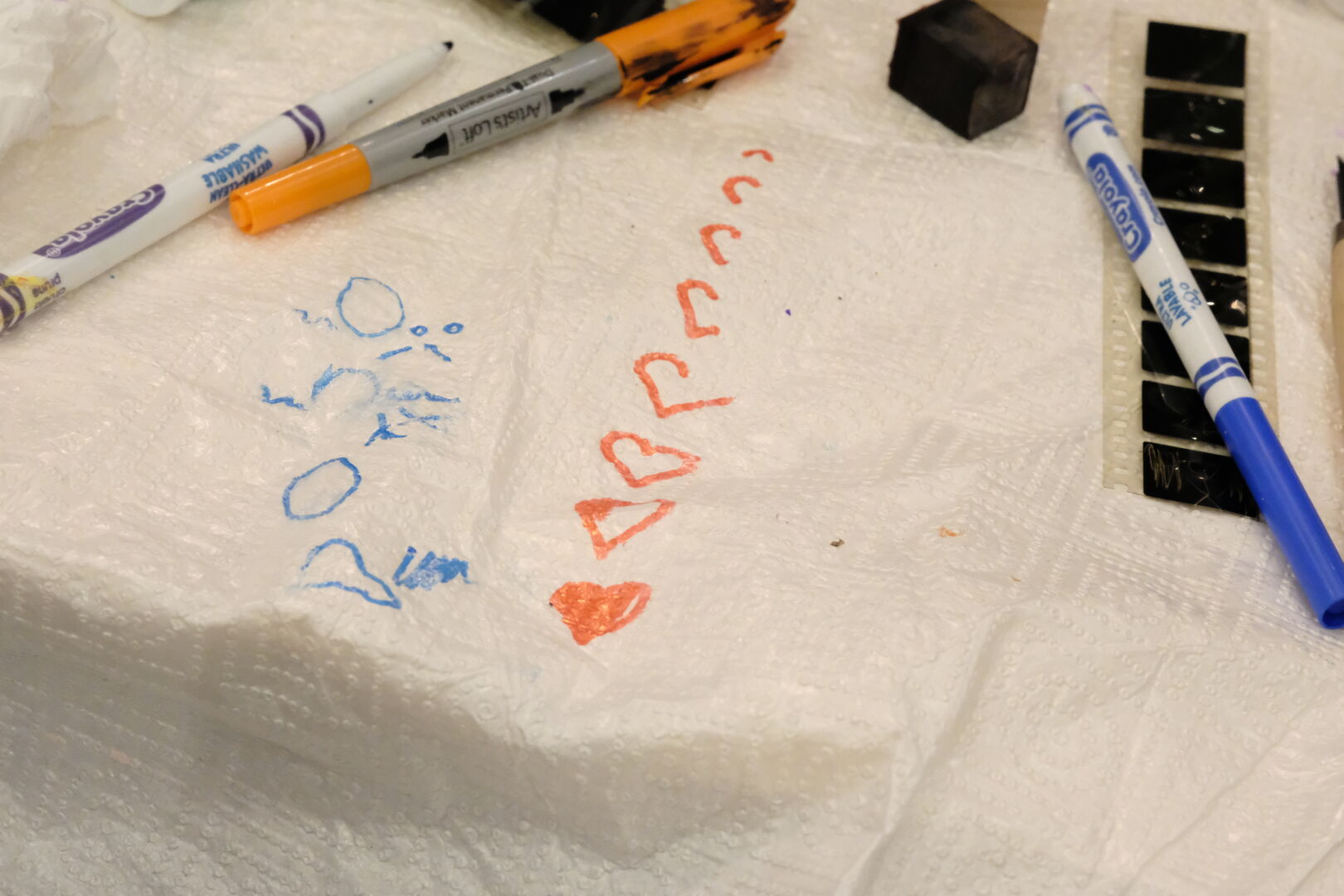
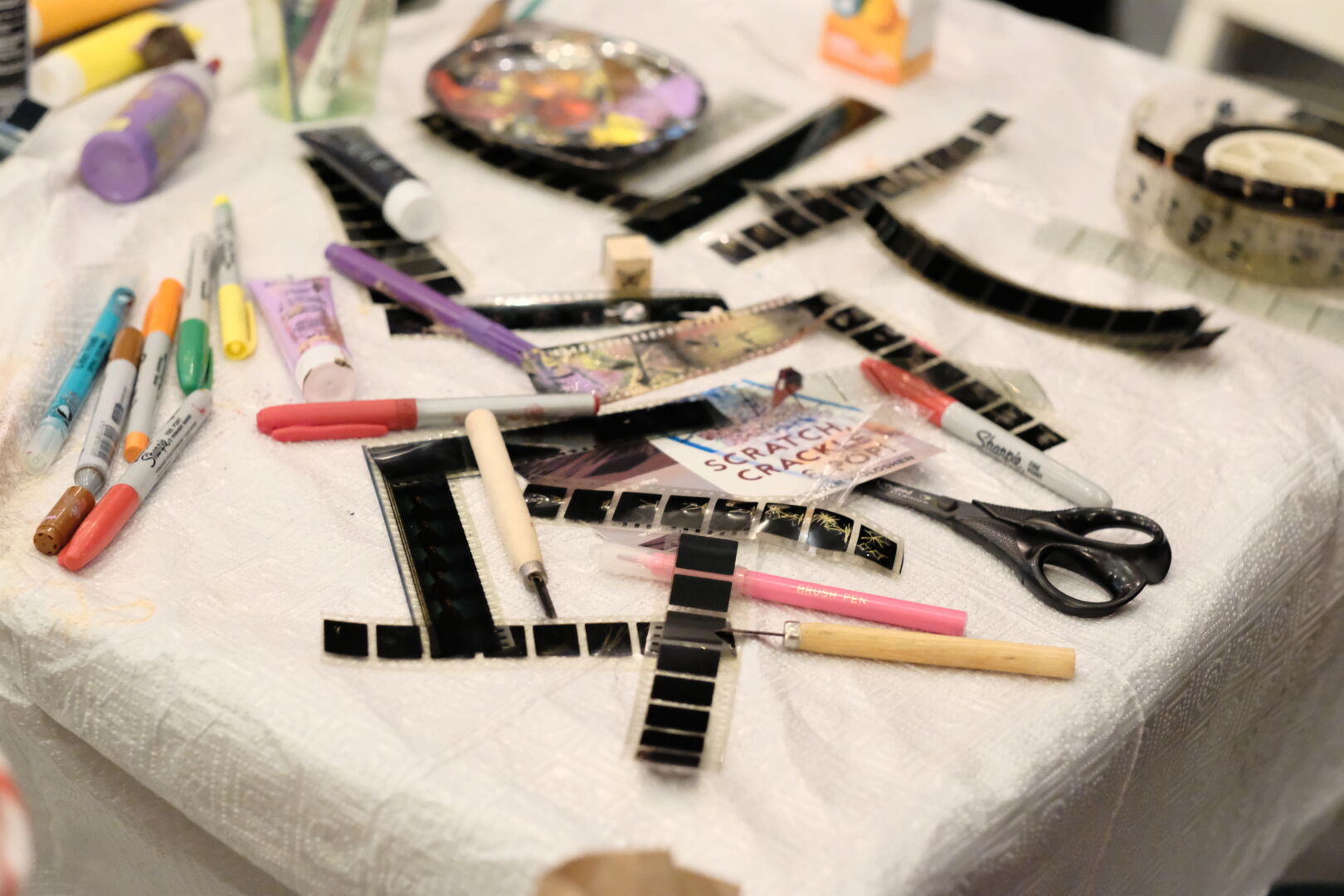
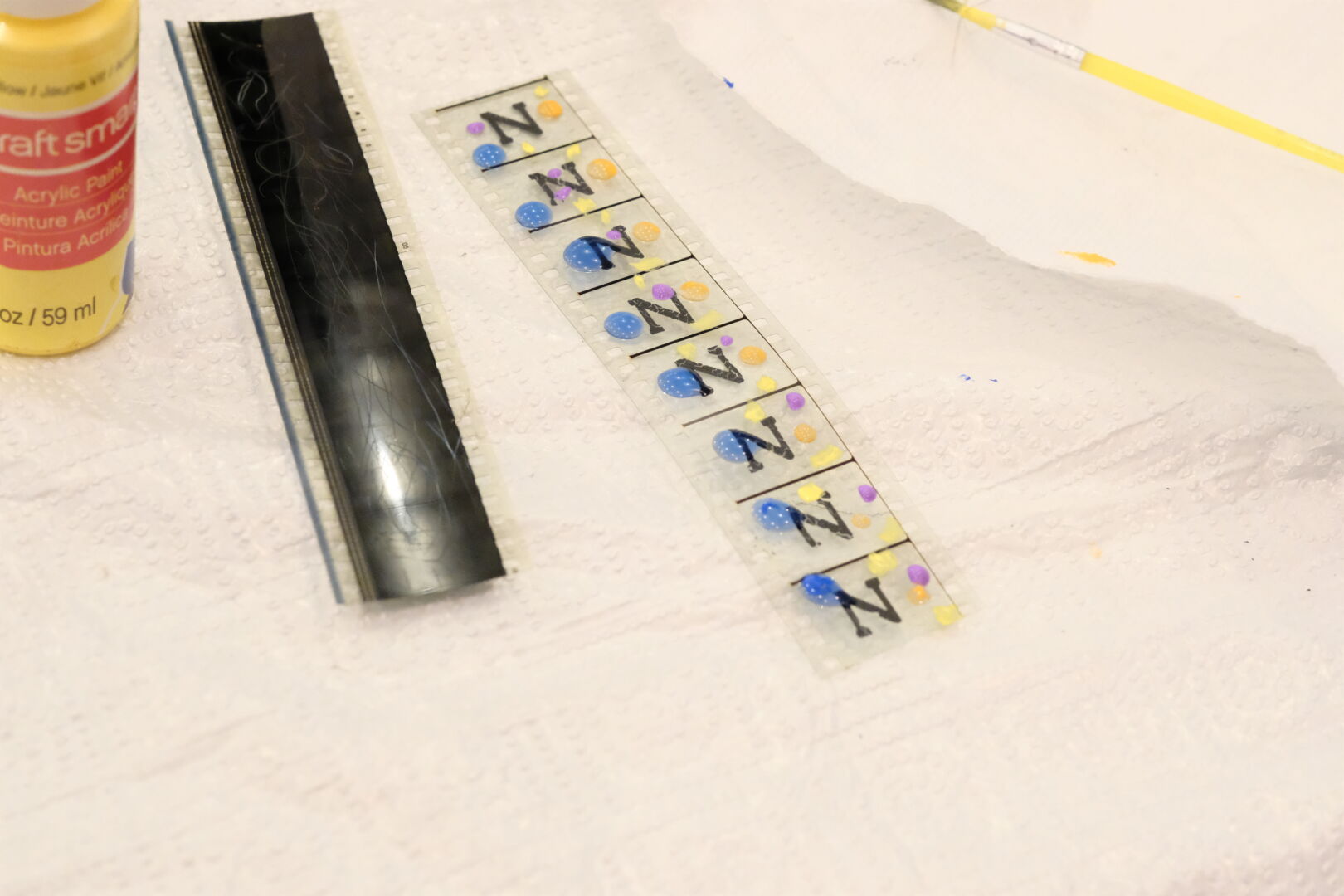
La projection sera suivie d’un atelier de film artisanal en 35 mm qui permettra aux participants d’explorer la manière dont les images abstraites se transforment selon les genres musicaux. Nous utiliserons des peintures, des encres et des outils de grattage pour créer le mouvement, puis nous y ajouterons une musique préenregistrée afin de compléter le projet. Les participants seront également encouragés à créer leurs propres sons et à les intégrer à leur réalisation.
15 à 20 participants maximum
Réservations obligatoires
Didre Novo
Steven Woloshen | 1983 | Canada | 16mm | 2 mins
La musique sacrée africaine Juju vous emmène dans un voyage à travers la jungle graphique artisanale du lettrage à la main.
Pepper Steak
Steven Woloshen | 1984 | Canada | 16mm | 3 mins
Image par image, nous voyons des images abstraites peintes à la main se disputer avec des fragments de représentations photographiques. Qui l’emportera ? Woloshen crée une cascade d’images à la manière de Stan Brakhage : des rayures sur la pellicule, des perforations, des formes géométriques fugaces apparaissent pendant une fraction de seconde avant de disparaître. S’entremêlent des flashs de visages et de lieux fortement effacés, qui surgissent parfois dans le champ de vision. Le cinéma est la somme de cette lutte sans fin.
Spheres
Norman McLaren/René Jodoin | 1969 | Canada | 16mm | 7 mins 38
Dans cette expérience en trois parties sur l’abstraction géométrique, des sphères aux reflets métalliques flottent et sont propulsées dans l’espace. René Jodoin et Norman McLaren ont terminé l’animation en 1946, mais ce n’est qu’en 1968 que McLaren a choisi l’interprétation par Glenn Gould de passages du Clavier bien tempéré de Bach pour la bande sonore.
Blinkity Blank
Norman McLaren | 1955 | Canada | 16mm | 5 mins 29
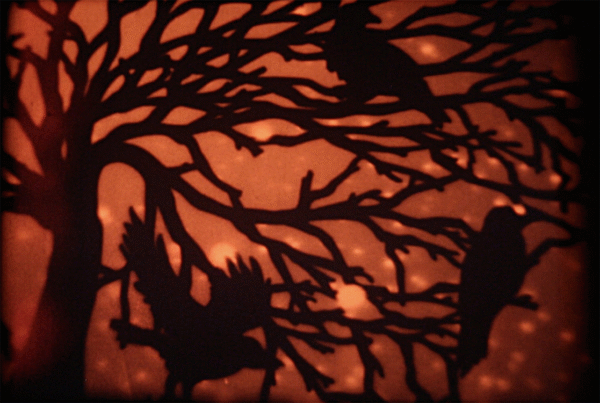
Avec une explosion d’images abstraites gravées directement sur pellicule, ce célèbre film de Norman McLaren montre des créatures ressemblant à des oiseaux dans une étrange danse de séduction.
A Phantasy
Norman McLaren/René Jodoin | 1952 | Canada | 16mm | 7 mins 15
Dans ce triptyque surréaliste, Norman McLaren utilise diverses techniques pour créer des séquences oniriques qui transportent le public dans un monde imaginaire intrigant. La partie centrale du film est tirée directement de Spheres, coréalisé par McLaren et René Jodoin.
Boogie Doodle
Norman McLaren | 1941 | Canada | 16mm | 3 mins 18
Dans ce film d’animation expérimental réalisé à New York, le « boogie » du pianiste Albert Ammons s’associe au « doodle » de Norman McLaren pour produire un tourbillon de couleurs et de rythmes.
BIOGRAPHIES
Depuis plus de 30 ans, Steven Woloshen réalise avec passion des films abstraits faits à la main ainsi que des installations temporaires. Woloshen est conférencier, juré, technicien, animateur, artisan et auteur de Recipes for Reconstruction: The Cookbook for the Frugal Filmmaker (2010) et Scratch, Crackle & Pop! A Whole Grains Approach to Making Films without a Camera (2015), des manuels du cinéaste pour la désintégration et le renouvellement du matériel filmique et autres techniques analogiques faites à la main.
L’importance de l’œuvre de Norman McLaren dans le patrimoine culturel canadien est immense. Véritable génie de l’animation, créateur d’avant-garde, pionnier de la musique électronique et de l’animation en 3D, McLaren est l’auteur de plus d’une soixantaine de films d’animation à l’ONF, récompensés par plus de deux cents prix à travers le monde. Son film le plus célèbre, Voisins, pour lequel il a reçu un Oscar® en 1952, est inscrit depuis 2009 au Registre international de la Mémoire du monde de l’UNESCO. (ONF)
René Jodoin est né à Hull le 30 décembre 1920. Après avoir obtenu son diplôme de l’École des beaux-arts en 1943, il se joint à l’Office national du film, où il travaille avec Norman McLaren en animation. Jodoin fait partie de la première génération de cinéastes embauchés par McLaren à l’ONF. De tous les cinéastes du groupe, il est sans aucun doute celui qui a été le plus influencé par McLaren. Son sens de l’innovation et sa perception artisanale de l’animation s’inscrivent dans la lignée de l’héritage de McLaren, tout comme sa compréhension unique du rôle de l’artiste en tant que fonctionnaire. Comme McLaren, Jodoin se considérait comme un artiste travaillant dans l’intérêt de la société, ce qui exigeait de la rigueur, mais surtout de la modestie et une conscience de sa responsabilité envers le public. Si l’œuvre de Jodoin est essentiellement joyeuse, elle comporte également une dimension didactique sous-jacente, sans être envahissante. (ONF)
PROGRAMME
Musical animation has become an important genre in filmmaking, but unlike live action and documentary, artists use musical sound in animation as an individual language, shaping it for their own experiences. In the last century, many methods of animation creation have evolved so artists could express different themes, ideas and moods. Additionally, many sounds have evolved alongside the film – both acoustic and synthetic.
As a part of PREMIÈRE VUE, Steven Woloshen, filmmaker, writer and artist will offer a 16mm screening that will explore the many types of musical tracks used in traditional animation styles. We will follow the screening with a 35mm handmade film workshop that will allow participants to explore how abstract images change with different genres of music. We will use paints, inks and scratching tools to create movement then add pre-recorded music to complete the project. Participants are also encouraged to create their own sounds and add them to the project.
15 to 20 participants maximum
Mandatory reservations
Didre Novo
Steven Woloshen | 1983 | Canada | 16mm | 2 mins
Juju African Sacred music provides the trip through the handmade graphic jungle of hand lettering.
Pepper Steak
Steven Woloshen | 1984 | Canada | 16mm | 3 mins
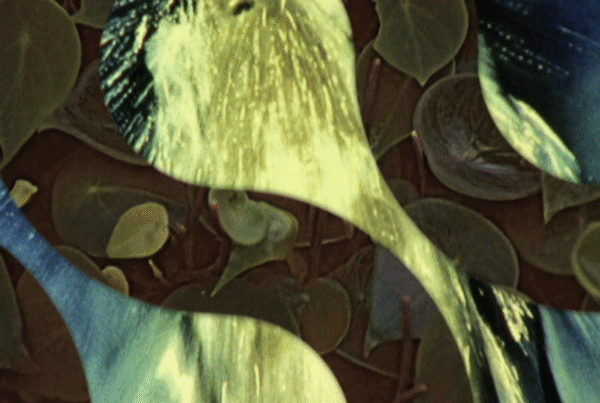
Frame by frame, we see abstract, hand-painted images tussle with scraps of photographic representation. Which will win? Woloshen crafts a cascade of visuals in the manner of Stan Brakhage: scratches on the celluloid, sprocket holes, fleeting geometric shapes are glimpsed for a split-second before being snatched away. Intermingled are flashes of heavily erased faces and places, occasionally bursting through into visibility. Cinema is the sum of this endless struggle.
Spheres
Norman McLaren/René Jodoin | 1969 | Canada | 16mm | 7 mins 38
In this three-part experiment in geometric abstraction, spheres with metallic reflections float and are propelled through space. René Jodoin and Norman McLaren completed the animation in 1946, but it wasn’t until 1968 that McLaren chose Glenn Gould’s interpretation of passages from Bach’s Well-Tempered Clavier for the soundtrack.
Blinkity Blank
Norman McLaren | 1955 | Canada | 16mm | 5 mins 29
With an explosion of abstract images engraved directly on film, this well-known Norman McLaren film shows bird-like creatures engaged in a strange dance of seduction.
A Phantasy
Norman McLaren/René Jodoin | 1952 | Canada | 16mm | 7 mins 15
In this surrealist triptych, Norman McLaren uses a variety of techniques to create dreamlike sequences that transport the audience into an intriguing imaginary world. The central part of the film is taken directly from Spheres, which was co-directed by McLaren and René Jodoin.
Boogie Doodle
Norman McLaren | 1941 | Canada | 16mm | 3 mins 18
In this experimental animated film made in New York, pianist Albert Ammons’ “boogie” comes together with Norman McLaren’s “doodle” to produce a whirlwind of colours and rhythms.
BIOGRAPHIES
Steven Woloshen was born in Laval, Canada in 1960. For more than 30 years, he has passionately created over 50 award-winning, abstract films and time-based installations for festivals, galleries and museums. Twice nominated for Canada’s Governor General’s award, he has received numerous research and creation grants and, most recently, was awarded the 2016 René Jodoin lifetime achievement award, 2015 Wiesbaden Lifetime Achievement Award. Woloshen is a teacher, film conservationist, animator, craftsman and the author of two books, Recipes for Reconstruction: The Cookbook for the Frugal Filmmaker (2010), a hands-on manual for decay, renewal and other handmade, analogue film techniques, and Scratch, Crackle & Pop! A Whole Grains Approach to Making Films without a Camera (2015). Under his own banner, Scratchatopia, Woloshen has hosted solo retrospectives and taught handmade filmmaking techniques at workshops and master classes in Argentina, Morocco, USA, Slovenia, Australia, France, Great Britain, Greece, Portugal, Spain, Slovakia, Poland, Mexico as well as across Canada.
The young Norman McLaren began his filmmaking career in 1934, and the following year, two of his films won prizes at the Scottish Amateur Film Festival, where John Grierson offered him a job at the General Post Office Film Unit in London. In 1941, at the invitation of Grierson, who had become Canada’s first Government Film Commissioner, McLaren joined the National Film Board. The first films he made for the NFB were almost all intended to support the war effort. This didn’t prevent him from making several experimental films and founding an animation department. Over the course of his career, he mostly created experimental animation, with music as an important element. He also experimented with the use of dance and dancers. McLaren’s films have garnered more than 200 awards. Neighbours won an Oscar® in 1952, and Blinkity Blank received the Palme d’Or for short films at the 1955 Cannes festival. In 2009, Neighbours was added to the UNESCO Memory of the World Register, which lists the most significant documentary heritage collections. McLaren was a master and a source of inspiration for countless filmmakers, and audiences around the world consider his name to be practically synonymous with the NFB.
René Jodoin was born in Hull on December 30, 1920. After graduating from the École des beaux-arts in 1943, he joined the National Film Board, working with Norman McLaren in the Animation Section. Jodoin was among the first generation of filmmakers hired by McLaren at the NFB. Of all the filmmakers in the group, he is undoubtedly the one who was most influenced by McLaren. His flair for innovation and his artisan’s perception of animation were in keeping with the McLaren legacy, as was his unique understanding of what constituted the role of the artist as a civil servant. Like McLaren, Jodoin considered himself an artist working in the interests of society, something that called for rigour but more importantly modesty and awareness of one’s responsibility to the public. As a result, while Jodoin’s work is essentially joyful, it also contains an underlying, yet not overbearing, didactic quality.