Quand
Où
Média
Billets
Free
Please come on time to ensure access to seating.
En présence de
co-présenté par

Following the first edition of The Political Aesthetic, this second iteration continues the screening series’ commitment to examining–through a transnational lens–film and artistic practices that grapple with the entangled social and political histories of colonial and nation-building projects, and the extractive economies that underpin them. Bringing together contemporary and historical works from the Global South, the program considers their epistemological and material conditions across diverse geographies in Asia, Africa, and South America. As it traces continuities and resonances within these contexts and works, the program foregrounds the ways artists have persistently challenged systems of domination and exploitation by producing counter-histories that speak across time and geography.
At its core, the program reflects on the double role of images as agents of colonial power and vehicles for critique and resistance. It does so by focusing on artistic practices that generate subversive visuality—filmic and audio-visual works that unsettle dominant discourses, rework evidentiary aesthetics in institutional archives, and foreground living archives such as songs and landscapes as counter-visual forms. As they engage with contested and marginalized narratives, these films expose the violence of official records while revitalizing forgotten histories.
Each screening will be followed by a collective reflection and discussion with local artists, researchers, and filmmakers around the notions of displacement, refuge, political aesthetics, and creative resistance.
The second edition of The Political Aesthetic screening series is curated by Farah Atoui and Sanaz Sohrabi, unfolding from October 2025 to April 2026, with the support of the Feminist Media Studio.
PROGRAMME
Haunted Landscapes réunit une constellation de courts métrages expérimentaux et de films-essais qui abordent la terre non pas comme un simple décor, mais comme une archive active — marquée, surveillée, détruite, occupée, et contrainte de porter le poids de la violence coloniale. À travers différentes géographies et histoires, ces œuvres affirment que les paysages sont témoins et porteurs de mémoire. Ils conservent les traces de la dépossession coloniale, de l’extraction des ressources, du travail forcé, de la dévastation écologique, ainsi que des expérimentations nucléaires et militaires, en opposition aux récits officiels qui cherchent à effacer ou à naturaliser ces violences.
En assemblant et en retravaillant des films d’archives, en s’appuyant sur des images libre de droits de l’époque coloniale et en mobilisant des images documentaires contemporaines, les films de ce programme s’attachent à ce qui hante la terre : les vies interrompues et déplacées par la force de la colonisation et de ses survivances. De l’anéantissement des vies autochtones et de la faune dans le Canada colonial de peuplement, à la surveillance militarisée des terres palestiniennes ; des héritages persistants de l’esclavage au Brésil, à la capture photographique de la nature colonisée aux Philippines ; des archives botaniques liées à l’occupation britannique de la Palestine, aux retombées radioactives des bombes nucléaires françaises en Algérie dérivant à travers déserts et frontières — chaque œuvre convoque le paysage comme témoin, protagoniste, et parfois comme lieu de résistance.
Pris ensemble, ces films posent des questions urgentes sur l’acte et le processus mêmes de la fabrication des images : comment les images participent-elles à des régimes de contrôle et d’appropriation ? Que signifie regarder et représenter des paysages façonnés par la violence sans la reproduire ? Et comment le cinéma peut-il écouter des récits non humains, en prêtant attention à ce que la terre, les animaux, les plantes, les pierres et les ruines continuent de dire ? Paysages hantés invitent les spectateur·rices à appréhender la terre comme un registre vivant et instable, qui refuse toute clôture et continue de hanter le présent.
BIOGRAPHIES
Bien connu pour ses interventions provocantes dans l’histoire de l’art de l’Europe occidentale et de l’Amérique, l’artiste cri Kent Monkman (né en 1965) a grandi à Winnipeg, entretenant une passion pour l’art et en pleine conscience de l’impact du colonialisme sur les communautés autochtones. Fort de ses premières expériences dans les domaines de l’illustration et du théâtre, il aborde plusieurs moyens d’expression, la peinture, la photographie, l’installation, la performance et le cinéma. Accompagné de son alter ego, Miss Chief Eagle Testickle, être surnaturel qui voyage dans le temps et change de forme, Monkman s’attaque à l’injustice coloniale, conteste les idées reçues sur l’histoire autochtone, plaide en faveur du changement social et rend hommage à la résistance et à la résilience des peuples autochtones. Les grandes expositions qu’il a présentées au Canada et aux États-Unis constituent des entreprises de décolonisation sans précédent.
Kamal Aljafari est un réalisateur palestinien de films expérimentaux né à Ramla en 1972. Il a étudié à l’Académie des arts médiatiques de Cologne et réside à Berlin. En 2009, il a participé au séminaire de cinématographie Robert Flaherty à New York et a été Benjamin White Whitney Fellow à l’Université de Harvard en 2009-2010. Aljafari est devenu maître de conférences à l’Académie de Cinématographie et de Télévision de Berlin, et a également été Radcliffe Fellow au Centre d’études du cinéma de l’Université de Harvard.
Rodrigo Ribeiro-Andrade est un réalisateur afro-brésilien. Engagé dans la création de récits qui abordent des questions sociales historiquement cachées, il a débuté en 2020 avec le film primé A Morte Branca do Feiticeiro Negro, élu meilleur court métrage par l’Association brésilienne des critiques de cinéma. Partenaire du noyau créatif Gata Maior Filmes, Ribeiro-Andrade croit fermement en l’art libre et au grand soulèvement des marginaux. (TENK)
Shireen Seno (Philippines/Japon) est une artiste visuelle, cinéaste et conservatrice née à Tokyo, au Japon, en 1983, de parents philippins. Son travail porte sur la mémoire, l’histoire et la création d’images, souvent en relation avec la notion de foyer. Elle a obtenu une licence en architecture et en études cinématographiques, avec une mineure en sémiotique et en théorie de la communication, à l’université de Toronto (2005).
Theo Panagopoulos est un cinéaste gréco-libano-palestinien basé en Écosse. Son travail explore les thèmes de la mémoire collective, du déplacement, des identités fragmentées et des archives. Il a réalisé plusieurs courts métrages qui ont été projetés dans des festivals réputés tels que Sundance, Doc Lisboa, Thessalonique, entre autres, et son dernier film intitulé THE FLOWERS STAND SILENTLY, WITNESSING (2024) a remporté le prix du meilleur court métrage à l’IDFA 2024. Il termine actuellement sa thèse de doctorat sur les archives cinématographiques coloniales liées à la Palestine des années 1930.
Turab Shah est un cinéaste et directeur de la photographie titulaire d’une maîtrise en cinématographie de la Met Film School. Turab s’intéresse particulièrement à l’héritage du colonialisme. Parmi ses films, on peut citer « Extradition », qui suit le combat de Talha Ahsan et Babar Ahmad contre leur extradition vers les États-Unis, et « Zones of Non-Being », un film qui examine Guantanamo à travers le prisme du colonialisme. Il a produit toute une série d’œuvres, allant de documentaires pour AJE à des œuvres vidéo pour la Humber Street Gallery, TfL/Art On The Underground, Brent Biennial ’22, ainsi que de petits films de fiction indépendants. (LUX)
Arwa Aburawa est une artiste cinéaste basée à Londres. Son travail explore les questions de race, de nature et de l’héritage du colonialisme. Ses films sont également guidés par des questions de justice et la manière dont les personnes marginalisées créent des espaces vitaux de résistance à travers la production de connaissances et des modes de vie alternatifs. Elle travaille régulièrement en duo avec Turab Shah.
Sanaz Sohrabi (née en 1988 à Téhéran) est chercheuse en culture visuelle, artiste cinéaste et professeure adjointe au département de communication et d’études des médias de l’Université Concordia, à Montréal. Sohrabi utilise le film essai et l’installation comme moyens de recherche pour explorer les chemins changeants et migratoires entre les images fixes et animées, situant une image singulière dans un continuum de relations historiques et de temporalités archivistiques. Depuis 2017, Sohrabi mène des recherches approfondies dans les archives de British Petroleum afin d’étudier l’histoire de la photographie et des pratiques cinématographiques des opérations pétrolières coloniales britanniques en Iran, réalisant une ethnographie visuelle de l’extraction des ressources en relation avec les infrastructures médiatiques de BP.
Farah Atoui (elle) est postdoctorante au département de communication de l’Université Concordia, en affiliation avec le Feminist Media Studio. Elle est titulaire d’un doctorat en communication de l’Université McGill, à Montréal. Sa thèse de doctorat examine les documentaires expérimentaux syriens comme des contre-visualisations cinématographiques visant à perturber le régime visuel de la « crise » des réfugiés syriens. Plus largement, ses recherches portent sur les interventions artistiques produites dans des conditions de lutte – guerre, occupation, crise, déplacement – en tant que lieux de production critique de connaissances et de résistance qui renouvellent les imaginaires sociaux et politiques. Farah est également conservatrice et programmatrice de films, et membre des collectifs de projection Regards palestiniens et Regards syriens.
PROGRAMME
Haunted Landscapes brings together a constellation of short experimental and essay films that approach land not as a mere backdrop, but as an active archive—scarred, surveilled, destroyed, occupied, and made to bear the weight of colonial violence. Across different geographies and histories, these works insist that landscapes witness and remember. They carry traces of colonial dispossession, resource extraction, forced labor, ecological devastation, and nuclear and military experimentation, countering official histories that seek to erase or naturalize these violences.
As they assemble and rework archival film, draw on colonial-era stock photographs, and mobilize contemporary documentary imagery, the films in this program attend to what haunts the land: the lives interrupted and displaced by the force of colonization and its afterlives. From the annihilation of Indigenous life and wildlife in settler-colonial Canada, to the militarized surveillance of Palestinian land; from the afterlives of slavery in Brazil, to the photographic capture of colonized nature in the Philippines; from botanical archives entangled with the British occupation of Palestine, to radioactive fallout from French nuclear bombs in Algeria drifting across deserts and borders—each work summons the landscape as witness, protagonist, and sometimes as a site of resistance.
Taken together, these films ask urgent questions about the act/process of image-making itself: How do images participate in regimes of control and appropriation? What does it mean to look at and represent landscapes shaped by violence without reproducing it? And how might cinema listen to non-human narratives, attending to what the ground, animals, plants, stones, and ruins continue to say? Haunted Landscapes invites viewers to encounter land as a living, unsettled record, one that refuses closure, and continues to haunt the present.
Sisters and Brothers
Kent Monkman | 2015 | Canada | 3 mins
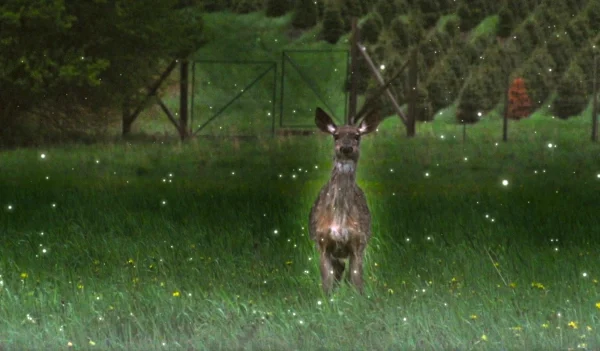
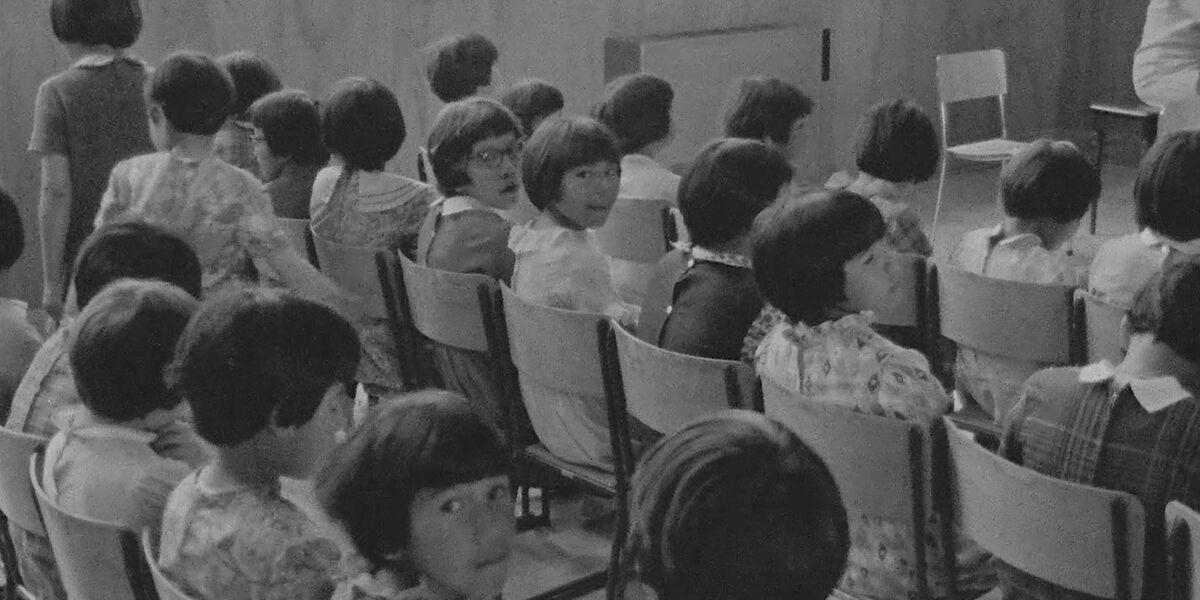
In a pounding critique of Canada’s colonial history, this short film draws parallels between the annihilation of the bison in the 1890s and the devastation inflicted on the Indigenous population by the residential school system (NFB).
UNDR
Kamal Aljafari | 2024 | 15 mins
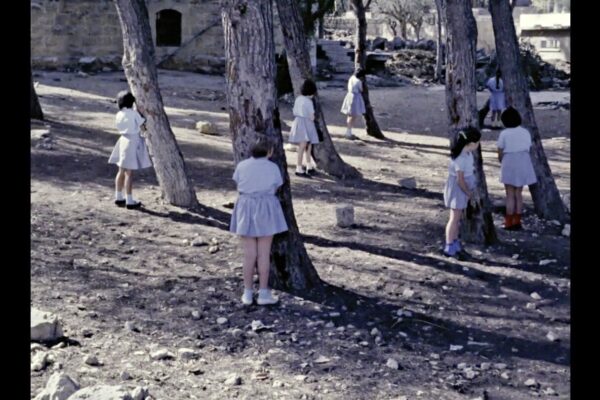
A helicopter sweeps the desert, surveying a land at once ancient and modern, natural and built. Farmers work their fields, children play and bells sound a call to prayer. Dynamite ruptures the earth. UNDR is a poignant found-footage essay film about an otherworldly landscape charged with history and potential that has become an eerie site of surveillance and incursion (letterboxd)
The White Death of the Black Wizard
Rodrigo Ribeiro-Andrade | 2020 | Brazil | 10 mins
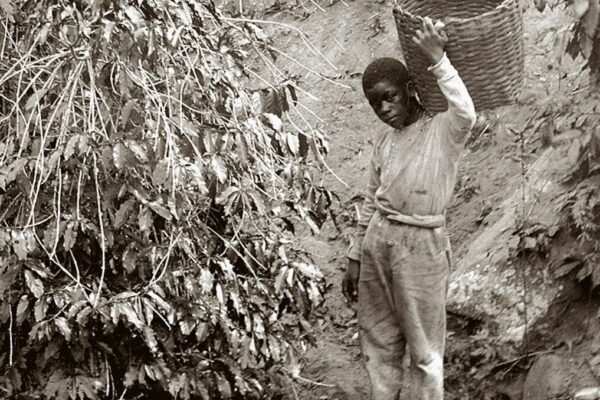
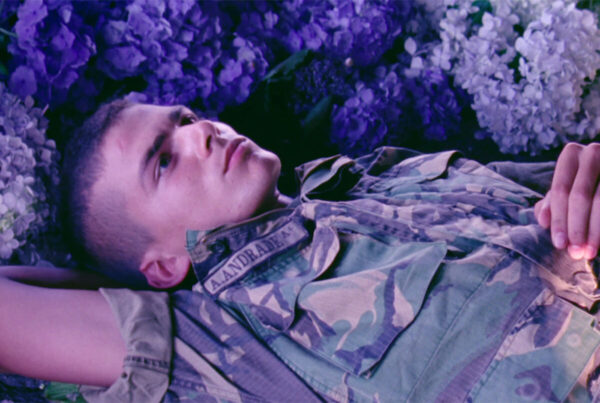
In The White Death of the Black Wizard, the Afro-Brazilian director Rodrigo Riberio-Andrade revisits the country’s painful slave past, evoking the many lives that were destroyed by the violence of colonization. At the heart of this experimental short is a 19th century letter written by a slave named Timóteo, just before he took his own life. The filmmaker skillfully juxtaposes this man’s story with archival footage from the time, unfolding the faces reduced to a life of silence. By killing himself, Timóteo made his final gesture of insurrection, unfortunately the only one that his agency allowed him, to free himself from his suffering and, finally, to break the silence imposed on his people. (TENK)
To Pick A Flower
Shireen Seno | 2021 | Philippines | 17 mins
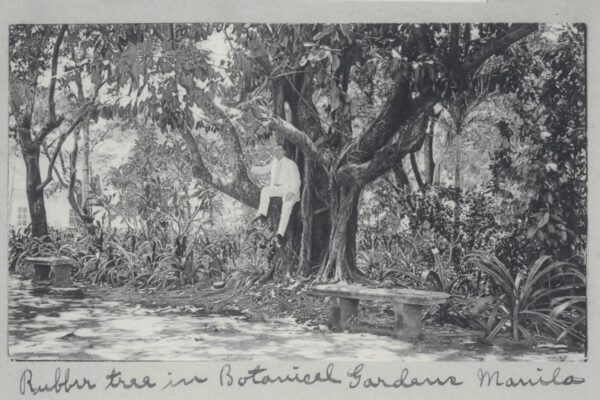
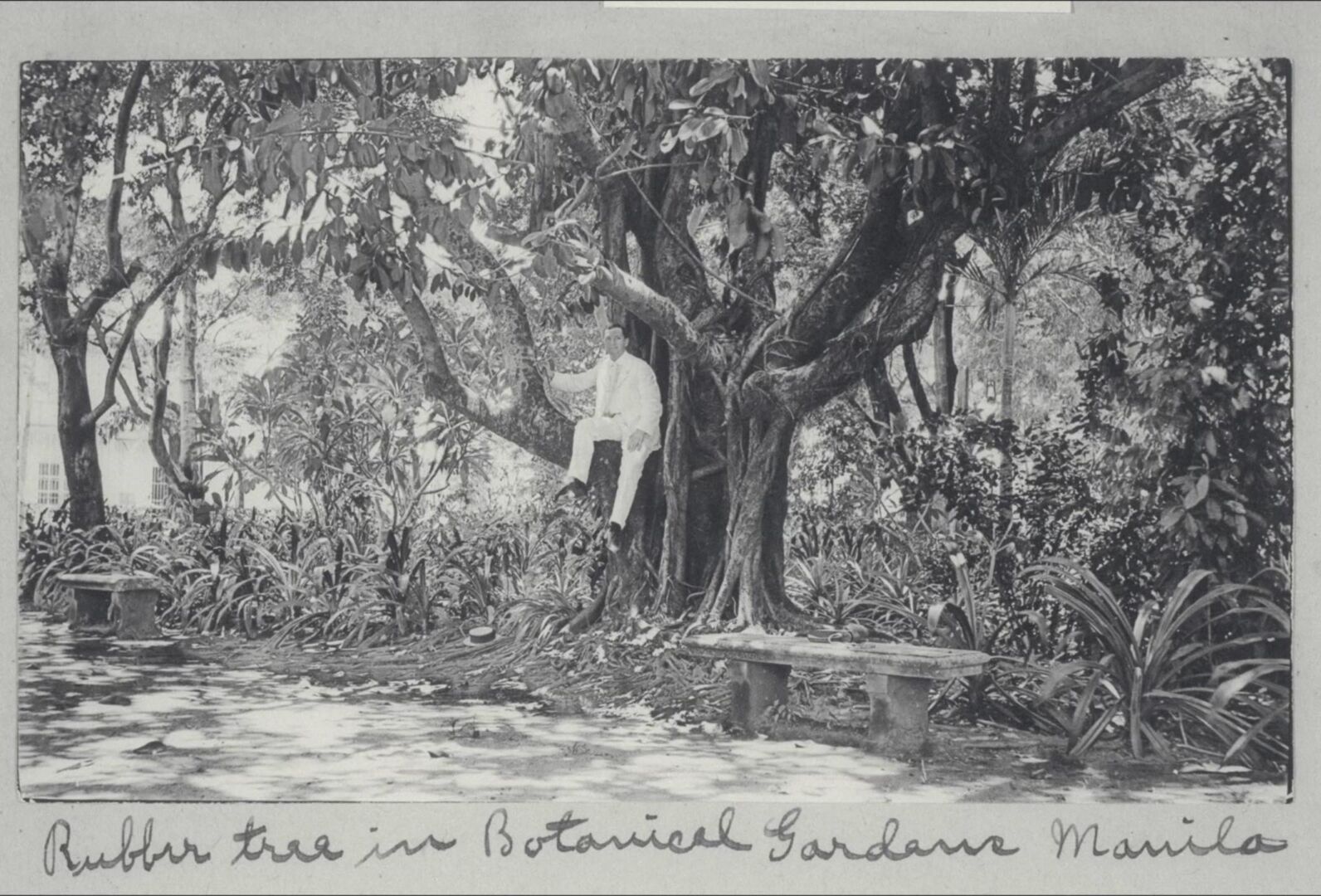
Picking flowers is an act of violence, as is clearing ancient forests and moving natural resources from one continent to another. In her video essay, Shireen Seno, a film auteur of Filipino origin, comments on stock photos taken from the period of American colonialization of the Philippines between 1898 and 1946. She takes note of the similarities between photography and colonialism because images, in the same fashion as political power, are a form of appropriation (Ji.hlava).
The Flowers Stand Silently, Witnessing
Theo Panagopoulos | 2024 | UK | 17 mins
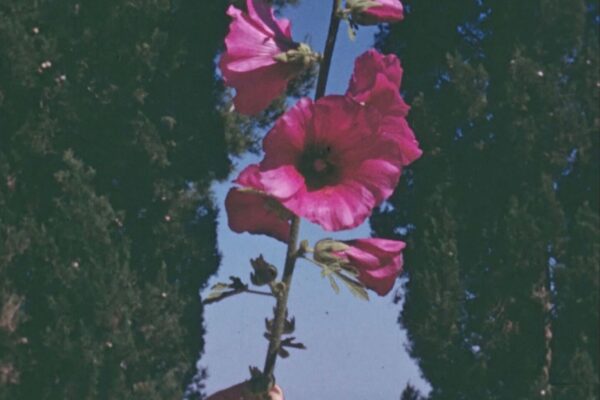
When a Palestinian filmmaker based in Scotland unearths a rarely-seen Scottish film archive of Palestinian wild flowers, he decides to reclaim the footage. This tender film essay questions the role of image-making as a tool of both testimony and violence when connected to entanglements between people and the land (Scottish Doc Institute).
And still, it remains
Turab Shah & Arwa Aburawa | 2023 | Algeria/UK | 28 mins
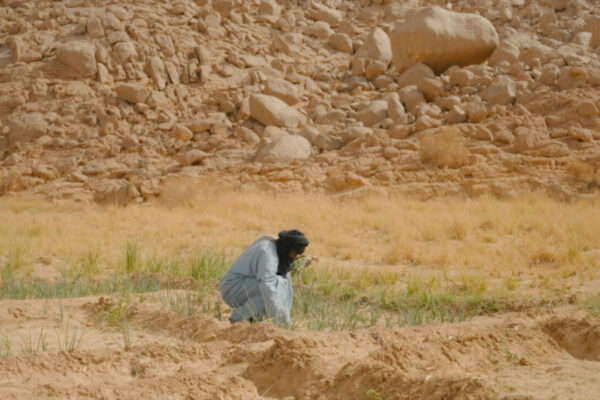
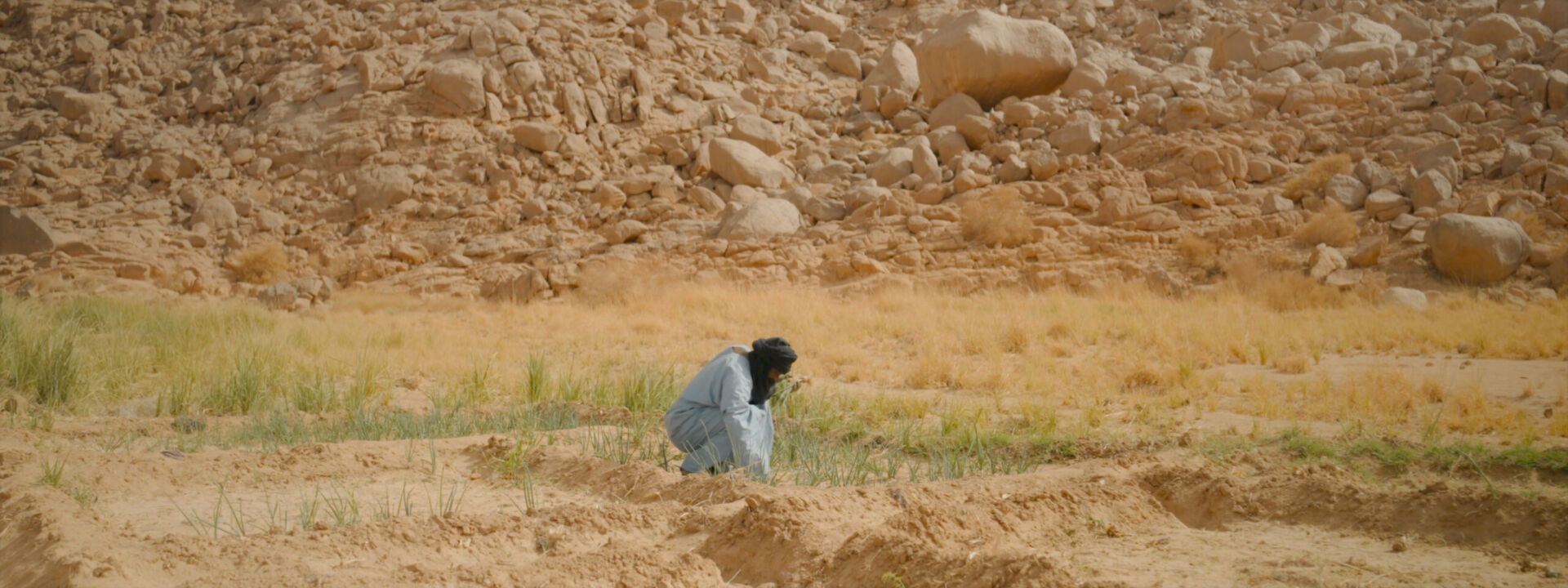
And still, it remains tells the story of Mertoutek, a village nestled in the Hoggar Mountains of Algeria’s Southern Sahara and home to the Escamaran community of Black Algerians. Surrounded by ancient rock art, the area was also the site of French nuclear bombs between 1961-66 and continues to suffer the consequences of radioactive fallout circulating in the water and soil. Summoning the landscape as a witness and protagonist; experiences of French nuclear experiments, faith and justice are narrated by the voices of multiple residents. By affording the residents distance from the lens, the film also pushes against forms of visual capture that reproduce a colonial gaze and challenges visibility as the currency for political redress. Winds migrating across the Sahara have recently carried sand containing nuclear remains back to France – a reminder that the environmental afterlives of colonialism cannot be contained or forgotten (LUX)
The screening will be followed by a discussion with film scholar Agustín Rugiero and filmmaker and scholar Aylin Gökmen.
BIOGRAPHIES
Known for his provocative interventions into Western European and American art history, Cree artist Kent Monkman (b.1965) grew up in Winnipeg, passionate about art and profoundly aware of how colonialism had affected Indigenous communities. Drawing on early experiences in illustration and theatre, he has worked in painting, photography, installation, film, and performance. Through his gender-fluid alter ego, Miss Chief Eagle Testickle, a shape-shifting, supernatural being, Monkman created opportunities to confront colonial injustice, challenge received notions of history, advocate for social change, and honour the resistance and resilience of Indigenous peoples. His major exhibitions in Canada and the United States have been unprecedented interventions of decolonization.
Kamal Aljafari is a Palestinian experimental film director born in Ramla in 1972. He studied at the Academy of Media Arts in Cologne and lives in Berlin. In 2009, he took part in the Robert Flaherty Seminar in cinematography in New York and was a Benjamin White Whitney Fellow at Harvard University from 2009 to 2010. Aljafari later became a lecturer at the Berlin Academy of Film and Television and was also a Radcliffe Fellow at Harvard University’s Film Study Center.
Rodrigo Ribeiro-Andrade is an Afro-Brazilian film director. Committed to bringing narratives that address historically hidden social issues, in 2020 debuted with the award-winning A Morte Branca do Feiticeiro Negro selected as the Best Short Film by Brazilian Film Critics Association. Partner of the creative core Gata Maior Filmes, Ribeiro-Andrade steadfastly believes in free art and in the great uprising of the marginalised. (TENK)
Shireen Seno (Philippines/Japan) is a visual artist, filmmaker, and curator born in Tokyo, Japan in 1983 to Filipino parents. Her work addresses memory, history, and image-making, often in relation to the idea of home. She received a BA in Architecture and Cinema Studies, with a minor in Semiotics and Communication Theory from the University of Toronto (2005).
Theo Panagopoulos is a Greek-Lebanese-Palestinian filmmaker based in Scotland. His work explores themes of collective memory, displacement, fragmented identities and archives. He has directed multiple short films that screen in reputable festivals such as Sundance, Doc Lisboa, Thessaloniki among others and his most recent film called and his most recent film THE FLOWERS STAND SILENTLY, WITNESSING (2024) won the best short film award at IDFA 2024. He is currently completing his PhD research on colonial film archives connected to 1930s Palestine.
Turab Shah is a filmmaker and director of photography who holds an MA in Cinematography from Met Film School. Turab has a special interest in the legacies of colonialism and his films include ”Extradition’ which followed Talha Ahsan and Babar Ahmad’s battle against extradition to the US and ‘Zones of Non-Being’, a film which looks at Guantanamo through the lens of coloniality. He has produced a range of work from documentaries for AJE to moving image works for Humber Street Gallery, TfL/Art On The Underground, Brent Biennial ’22 as well as small independent fiction films. (LUX)
Arwa Aburawa is an artist filmmaker based in London. Her work explores race, nature and the legacies of colonialism. Her films are also guided by questions of justice and how those in the margins create vital spaces for resistance through knowledge production and alternative ways of being. She regularly works as a duo with Turab Shah.
Sanaz Sohrabi (b.1988, Tehran) is a researcher of visual culture, artist-filmmaker, and an Assistant Professor in the department of Communication and Media Studies at Concordia University, Montréal. Sohrabi works with essay film and installation as her means of research to explore the shifting and migratory paths between still and moving images, situating a singular image in a continuum of historical relations and archival temporalities. Since 2017, Sohrabi has done extensive archival research at the British Petroleum archives to engage with the history of photography and film practices of the colonial British controlled oil operations in Iran, conducting a visual ethnography of resource extraction in relation to the media infrastructures of BP.
Farah Atoui (she/her) is a postdoc fellow at Concordia University’s Communication Department, in affiliation with the Feminist Media Studio. She holds a Ph.D. in Communications Studies from McGill University, Montreal. Her doctoral thesis examines experimental Syrian documentaries as cinematic countervisualizations invested in disrupting the visual regime of the Syrian refugee “crisis.” More broadly, her research engages with artistic interventions produced under conditions of struggle—war, occupation, crisis, displacement—as sites for critical knowledge-production and resistance that renew social and political imaginaries. Farah is also a curator and film programmer, and a member of the Regards palestiniens and Regards syriens screening collectives.